environmental-dimension-overview_hero-banner_2.4-1_desktop.png

Environmental Dimension

Environmental Management and Greenhouse Gas Emission Reduction

BAM is committed to effective environmental management and climate change mitigation across its business operations, in alignment with national climate targets and the guidelines of the Conference of the Parties to the United Nations Framework Convention on Climate Change (COP).The Company addresses climate-related risks through appropriate adaptation and response strategies, managing both physical risks, including climate-related crises, and transition risks arising from rapid changes in policies, regulations, and requirements that may affect business operations. Consequently, environmental stewardship and the reduction of greenhouse gas emissions are prioritized as critical strategic issues requiring comprehensive and proactive action.
The Company is committed to high-performance environmental management, fostering continuous investment in sustainable development and operational improvement. Its strategy focuses on maximizing the efficient use of natural resources and energy, supported by a robust framework for assessing and managing greenhouse gas (GHG) emissions across all business activities. In addition, the Company has established a long-term climate ambition to achieve carbon neutrality and reach net-zero greenhouse gas emissions by 2050, contributing to global efforts to limit the increase in average global temperature to well below 2 degrees Celsius.
 

Strategic Aims and Performance

Operational

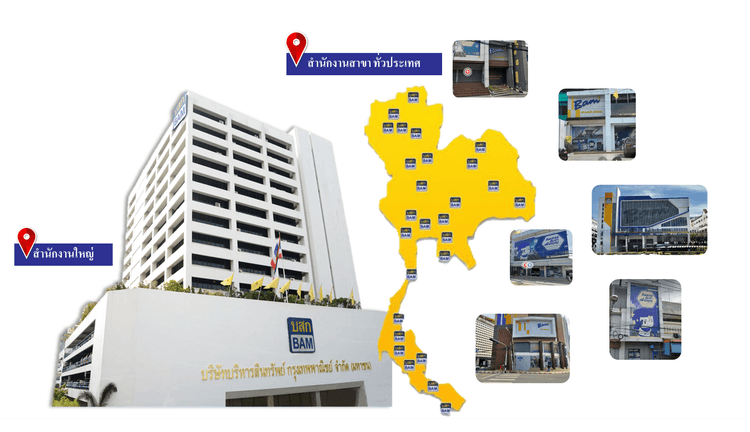
Reduce Scope 1, 2 and 3 greenhouse gas emissions 1.14% applicable to the headquarters

Decrease electricity consumption (Scope 2) 1% applicable to the headquarters

Lower paper consumption (Scope 3) 2%

Decrease general waste 2%

Reduce tap water usage (Scope 3) 1.5% applicable to the headquarters

Reduce fuel consumption (Scope 1) 1%

Ensure at least 45% of total waste volume is recyclable (Scope 3)

Operation Year 2025

The greenhouse gas emissions in Scope 1, 2 and 3 increased by 2.27% specifically for the headquarters

Electricity consumption (Scope 2) increased by 5.93% specifically for the headquarters

Paper consumption (Scope 3) decreased by 9.89%

General waste (Scope 3) volume increased by 11.93% 

Tap water (Scope 3) 1.08% specifically for the headquarters

Fuel consumption (Scope 1) reduced by 3.42%

At least 45% of total waste was recycled or repurposed (Scope 3)

Management Approach

future-direction_hero-banner_2.4-1_desktop(10).png

Decarbonization Strategy

Based on these established operational targets, BAM recognizes the urgency of addressing managing climate change impacts. and reaffirms its commitment to achieving greenhouse gas (GHG) emission reduction targets across the short, medium, and long term. To support the achievement of these targets, a comprehensive framework of decarbonization strategies and action plans has been formulated. These initiatives focus on the management of significant emission sources throughout the value chain, encompassing direct organizational operations (Scope 1 and Scope 2) as well as material indirect emissions (Scope 3).

   1.Energy Efficiency Improvement and Renewable Energy Transition (Scope 2) 
   2. Sustainable Management of Non-Performing Assets (NPAs) (Scope 3)
   3.Business Travel and Low-Carbon Transportation (Scope 1 & 3) 

Energy and Environmental Management Governance Structure

BAM manages energy and environmental matters in compliance with the Energy Conservation Promotion Act B.E. 2535 (1992). It recognizes the importance and benefits of effective environmental management, including environmental sustainability, employee well-being, efficient resource and energy use, and ongoing awareness-building through education and communication on responsible resource consumption. Accordingly, the Company has established an environmental policy to encourage employees at all levels to apply Green Office principles in daily operations. This includes promoting behavioral changes in the workplace, reducing resource and energy consumption, and implementing environmentally friendly activities. These efforts extend to environmentally responsible procurement practices and initiatives to reduce greenhouse gas emissions from office operations, supporting continuous improvement and long-term sustainable development.
The Company has established a governance structure comprising the Board of Directors and relevant working groups, with responsibilities extending from the Board and senior executives to operational-level personnel. The Board places strong emphasis on climate change management and has assigned the Corporate Governance Committee for Sustainability (CGS) to support the formulation of policies, regulations, and operational guidelines. These align with the principles of good corporate governance and sustainable development, ensuring the Company’s operations deliver balanced economic, social, and environmental value to all stakeholders. Additionally, the Risk Oversight Committee (ROC) establishes operational guidelines and provides strategic advice on risk management. This includes prioritizing the integration of business processes, ensuring compliance with Governance, Risk Management, and Compliance (GRC) requirements, and overseeing ESG risk assessments, particularly those related to climate risks.    In addition, the Company has established an Energy and Environmental Management Working Group for office buildings, comprising senior management and operational-level personnel from various departments. The group is structured into specialized sub-working groups responsible for overseeing energy and environmental management, formulating relevant policies and action plans, and coordinating and monitoring implementation in alignment with the Company’s environmental policies.
 

โครงสร้างคณะทำงานด้านสิ่งแวดล้อม.png

Key Activities / Projects

BAM's Non-Performing Asset (NPA) Management and Sustainable Value-Added Approach

BAM plays a significant role in managing non-performing assets (NPAs), which include various types of real estate such as detached houses, condominiums, townhouses, commercial buildings, and vacant land. A substantial portion of these assets is acquired through legal enforcement or debt settlement processes and often remains incomplete, abandoned, unused, in a dilapidated condition, or inadequately maintained. If left unmanaged, such properties may impose negative impacts on surrounding communities, society, and the environment in the absence of appropriate restoration or productive reuse.
As BAM adapts to address risks and opportunities arising from climate change, the business recognizes significant exposure to risks associated with its asset holdings, including the increasing frequency of incidents linked to global warming. The challenge is viewed as an opportunity to develop innovative solutions. Central to this strategy is the Asset Redesign Mechanism, implemented in collaboration with partners, alongside risk transfer approaches under the concept of Circular Demolition and Construction (C&D) Waste Management. From a decarbonization perspective, BAM will pursue new milestones by undertaking initiatives it has never attempted before in Non-Performing Asset (NPA) management. A primary challenge involves properties that are deteriorated, unused, abandoned, or dilapidated. These assets not only diminish economic value but may also generate adverse environmental, social, and community impacts. Such properties can become sources of social problems, potential sites for unlawful activities, and significant safety risks for surrounding communities.
 

BAM Turning Waste to Value Concept “Reduce… Garbage… World” Creating Value from Derelict Properties

Given that BAM continues to acquire and manage dilapidated and abandoned Non-Performing Assets (NPAs) from the economic system, a key challenge arises in conducting business without generating waste. Instead, BAM must continuously incorporate these "waste" assets into its portfolio. Recognizing this challenge, BAM has identified opportunities to restore value through the reuse and rehabilitation of abandoned or deteriorated properties under the “BAM Turning Waste to Value" concept or “Transforming Derelict Properties into High-Value Assets”. The core approach focuses on improving, repairing, or renovating deteriorated properties to restore usability and prepare them for resale at reasonable prices. In parallel, BAM accelerates NPA disposition processes to reduce asset holding periods. BAM's rehabilitation of Non-Performing Assets (NPAs) not only enhances economic value but also delivers significant environmental and social benefits. These efforts reduce waste from abandoned buildings, revive derelict properties for reuse, mitigate pollution from vacant structures, and decrease the need for new construction through renovation. BAM fully recognizes that enhancing and reusing existing properties contributes to more efficient resource utilization and reduces environmental impacts compared to new development, which releases high volumes of GHG emissions. This approach serves as a cornerstone of the Company’s carbon emission reduction efforts and aligns with sustainable development principles under the United Nations Sustainable Development Goals (SDGs), particularly those related to responsible resource management and environmental stewardship. The implementation of the “Turning Waste to Value” concept therefore extends beyond income generation from NPAs. It serves as a key mechanism for promoting environmentally responsible real estate development in Thailand, while fostering collaboration with business partners across the real estate value chain to drive long-term sustainable outcomes through value creation across multiple dimensions.

NPA กิจกรรม ESG.png

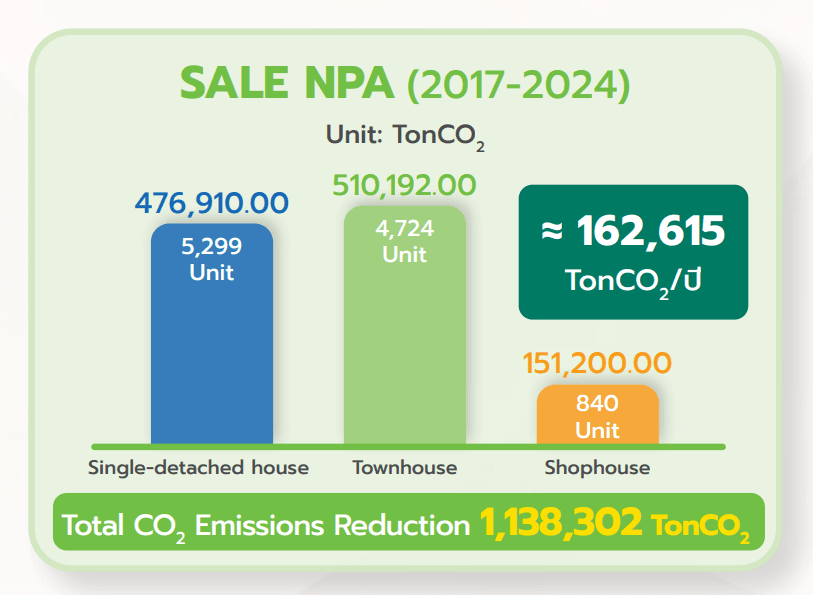
Based on an overview of non-performing asset sales, including detached houses, townhouses, and commercial buildings, during the period from 2017 to 2024, BAM has contributed to a cumulative reduction of more than 1 million tonnes of greenhouse gas emissions. This achievement is equivalent to an average annual reduction of over 160,000 tCO2e. These outcomes provide clear evidence that the "Turning Waste to Value" approach effectively transforms abandoned or deteriorated properties into reusable assets and significantly contributes to national greenhouse gas reduction. 

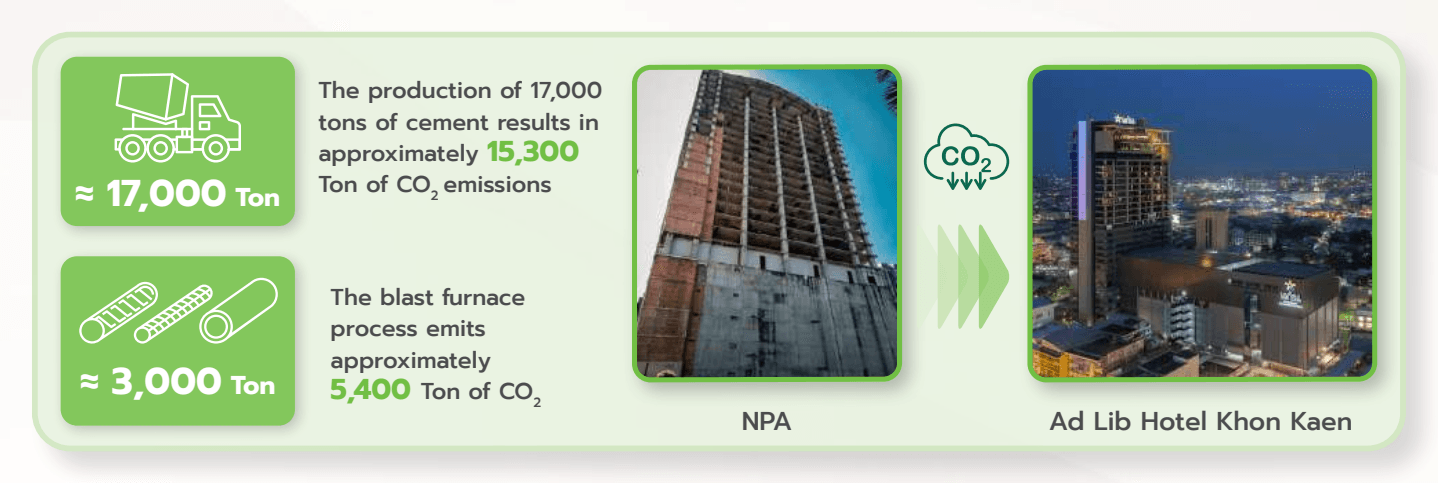
A concrete example of this success is the Kosa Hotel, an abandoned high-rise located in the center of Khon Kaen city. The 1997 Asian financial crisis caused construction of what was intended to become the city’s tallest building to come to a halt. Similar to many real estate projects affected during that period, the development was left incomplete, resulting in a massive concrete structure that remained abandoned for nearly 20 years. The site became widely known as a “Tom Yum Kung crisis monument” in the heart of the city. On 1 August 2012, BAM received the transfer of collateralized debt from the Financial Institution Asset Management Corporation. Later, in 2017, Mitr Phol Sugar Corporation redeemed the collateral from BAM with a value exceeding THB 970 million.

Subsequently, in 2022, Mitr Phol Sugar Corporation completed the renovation of the 29-storey abandoned building located in the center of Khon Kaen city and redeveloped the property for renewed use under the name “Ad Lib Khon Kaen.” The redevelopment of these assets has not only enhanced their economic value and stimulated the revitalization potential of urban areas but has also played a significant role in reducing greenhouse gas emissions, thereby contributing to long-term environmental sustainability. 

น้ำตาลมืตรผล ESG.png

Environmental Management

BAM continuously strives to deliver high-quality products and services to customers, enhance the quality of life for people in society, and operate with strong environmental responsibility. The Company is committed to sustainable business development and to contributing to the mitigation of climate change impacts. To reinforce this commitment, the Company has established an Environmental Policy that clearly expresses its intention to manage environmental impacts responsibly and serves as a guiding framework for executives and employees at all levels. Environmental considerations are integrated into business operations through effective environmental management practices and the promotion of investment in innovation and environmentally friendly technologies, with the objective of reducing pollution and minimizing the impacts of global warming. In addition, the Company conducts its business in compliance with applicable environmental laws, regulations, and recognized environmental standards.
However, environmental actions must be carried out in a manner that maintains service efficiency and operational effectiveness. Environmental stewardship is recognized as a collective responsibility, requiring the active participation and cooperation of all employees to achieve shared organizational objectives. Furthermore, the Board of Directors emphasizes the importance of employee engagement at all levels in maintaining a sustainable workplace. This commitment covers pollution prevention, sustainable resource utilization, climate change mitigation and adaptation, and environmental protection. To ensure business operations remain responsible, BAM prioritizes resource efficiency and implements rigorous measures to control, treat, and monitor environmental quality both within the organization and in the surrounding communities.
    

Environmental Laws and Regulations →


Under the oversight of the organization in accordance with the aforementioned environmental policy, the Company reported no cases of non-compliance with environmental laws and regulations in 2025. 
 

Greenhouse Gas Emissions Knowledge and Awareness Enhancement

BAM promotes knowledge and awareness of efficient resource consumption and greenhouse gas (GHG) emission reduction through the following initiatives:
     •    Enhancing employee knowledge on energy and environmental management, as well as innovative energy technologies, through training programs and internal campaigns. Examples include Green Office training courses and awareness activities such as “green office” training course, “photocopying cost reduction contest”, and “5S areas” activities.   
     •    Communicating guidelines and information related to energy efficiency, resource consumption, and environmental conservation to strengthen employee awareness and understanding. This includes the dissemination of environmental and energy conservation targets and operational guidelines through various internal communication channels.
     •    Encouraging employees to adopt sustainable waste management behaviors based on the 8Rs principles: Rethink, Refuse, Reduce, Reuse, Repair, Regift, Recycle, and Recover. These initiatives aim to enhance awareness and enable employees to reduce landfill waste that contributes to greenhouse gas emissions. Activities include: 
     1. Installing waste segregation points on every floor to promote correct waste separation practices among employees.
     2. Encouraging employees to minimize food waste through responsible food consumption practices, deploying waste treatment machines that convert food waste into fertilizer to reduce landfill disposal, and reducing the use of single-use plastics such as straws, cups, and plastic bags by promoting the adoption of personal reusable items.
 

Awareness1.jpg
Awareness2.png

BAM Received the Thailand Energy Awards 2025 for Outstanding Designated Building

Thailand’s Energy Awards are organized by the Department of Alternative Energy Development and Efficiency (DEDE), Ministry of Energy, to honor organizations that comply with the Energy Conservation Act and maintain efficient and continuous energy management. BAM was granted this prestigious recognition for its outstanding achievements in energy conservation and renewable energy development as follows:

  • Sustained excellence in energy and environmental performance for over 10 consecutive years (2014–2025). BAM has consistently demonstrated strong performance in reducing energy and resource consumption, minimizing waste generation, and lowering greenhouse gas emissions, while promoting environmentally friendly organizational activities. The Company has been certified under the Green Office Program at the Excellent Level (Gold Level).
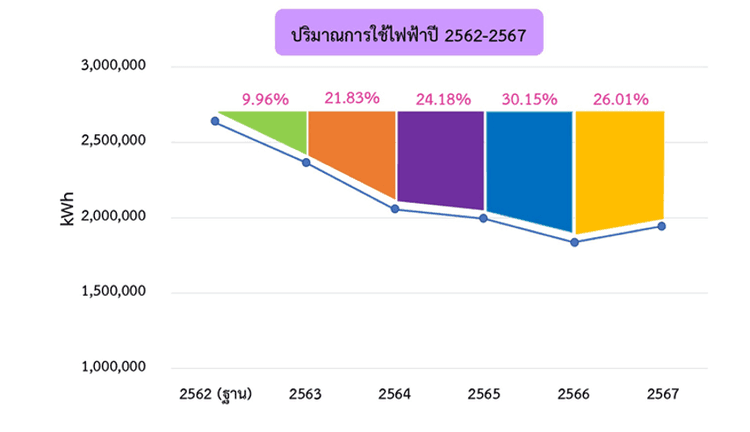
  • Energy conservation performance during 2020–2024: The overall Specific Energy Consumption (SEC) index decreased continuously, with an average reduction of 22.43%, resulting in cumulative electricity savings of 2,949,000 kWh compared with the 2019 base year, equivalent to cost savings of THB 11,598,570.
  • Greenhouse gas management and verification: BAM has prepared and disclosed its organizational greenhouse gas inventory and received Carbon Footprint for Organization (CFO) certification for the period 2021–2024, demonstrating accountability toward environmental and climate responsibilities.
  • Enhancement of energy efficiency: The Company upgraded its cooling system by replacing conventional chillers with high-efficiency magnetic bearing chillers, achieving electricity savings of 331,436 kWh per year.
  • Expansion of renewable energy utilization: Solar photovoltaic systems were installed at the head office and branch offices, with a total installed capacity of 456.22 kWp, resulting in electricity savings of 666,081 kWh per year.
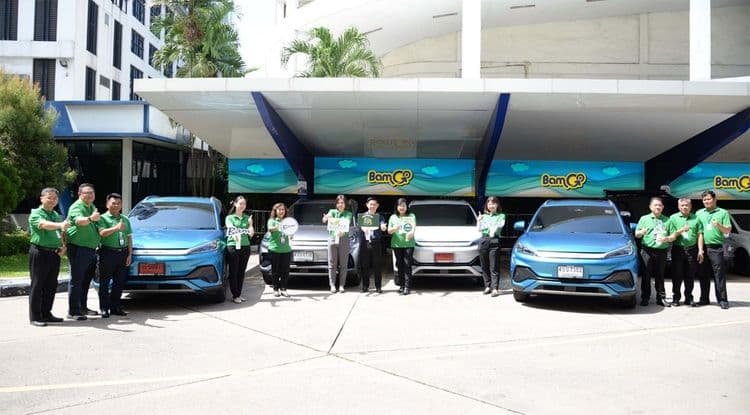
  • Fuel transition and low-carbon transportation: BAM promoted the use of electric vehicles (EVs) and hybrid vehicles to reduce fossil fuel consumption and greenhouse gas emissions.
     
ชนะการประกวด Energy award 2025 อาคารดีเด่น.png
ชนะการประกวด Energy award 2025.png

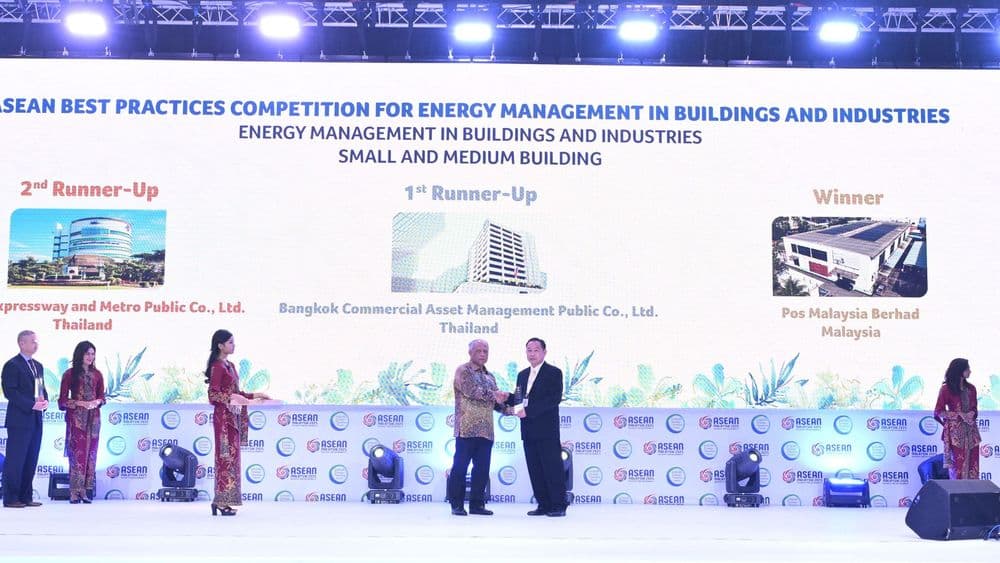
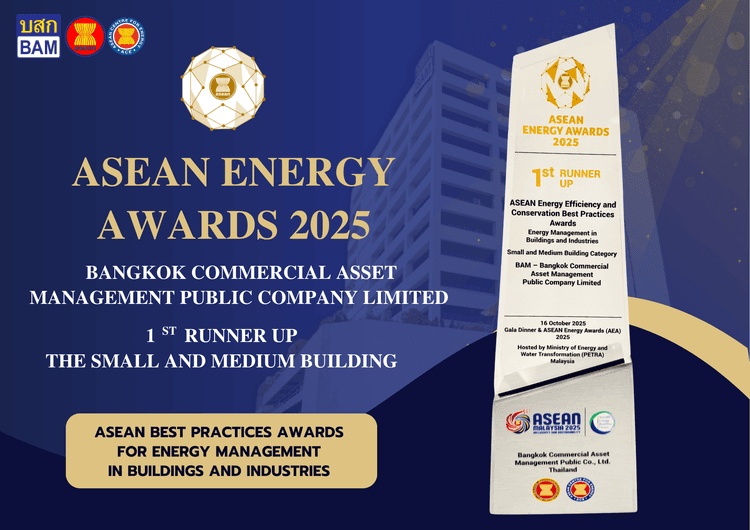
BAM Achieved 2nd Place at the ASEAN Energy Awards 2025

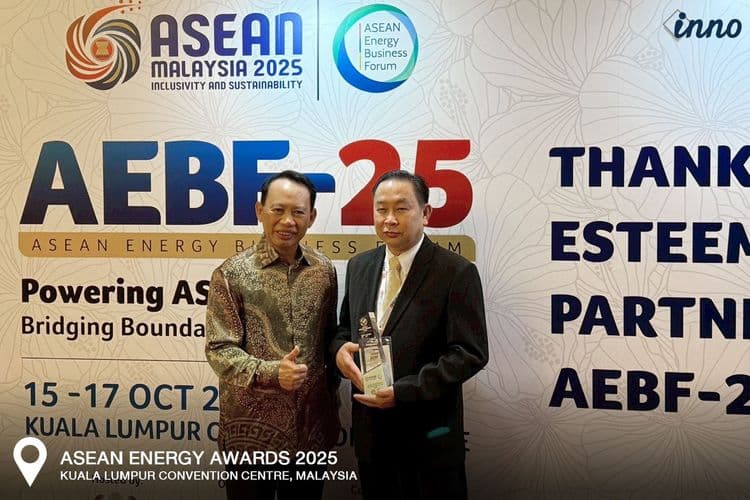
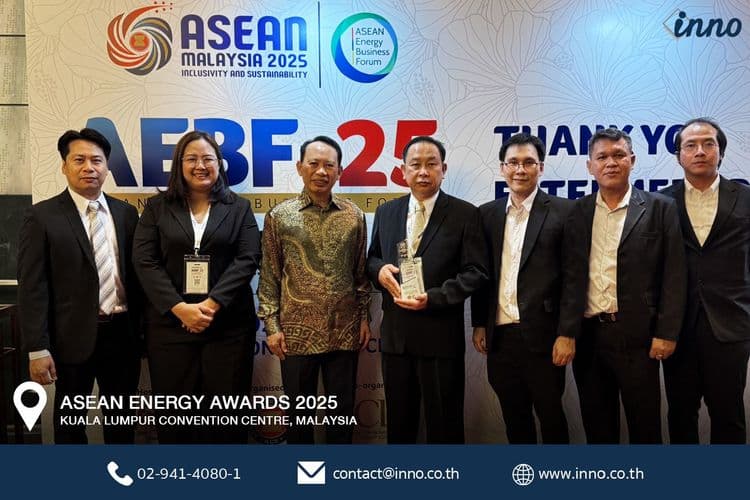
BAM received the Thailand Energy Awards 2025 in the category of Outstanding Designated Building and was selected to represent Thailand in the 2025 ASEAN Energy Awards. BAM achieved 2nd Place in the ASEAN Best Practices Awards for Energy Management in Buildings and Industries (Small and Medium Building Category).
The award ceremony was held during the 25th ASEAN Energy Business Forum, organized by the ASEAN Centre for Energy (ACE), on 16 October 2025 at the Kuala Lumpur Convention Centre (KLCC), Malaysia. Mr. Piroj Boonying, Building and Facilities Group Manager, represented the Company to receive the award. The ceremony was presided over by Dato' Sri Haji Fadillah bin Haji Yusof, Deputy Prime Minister and Minister of Energy Transition and Water Transformation of Malaysia. Mr. Prasert Sinsukprasert, Permanent Secretary of the Ministry of Energy (acting on behalf of the Minister of Energy of Thailand), along with Energy Ministers from other ASEAN member countries, also honored the event with their presence.
 

Asean Energy 2025 รางวัล 1.png
Asean Energy 2025 รางวัล 2.png
Asean Energy 2025 รางวัล 3.png

BAM continues to drive the organization toward becoming a model in energy and environmental management to create sustainable value for society and the nation. This award reflects BAM’s commitment to efficient indoor energy management and concrete environmental measures. These include the consumption of renewable energy, the expansion of solar rooftop installations in office buildings nationwide, the enhancement of energy efficiency, and the continuous development of energy management systems. These initiatives are designed to support the country’s greenhouse gas (GHG) emission reduction goals in a sustainable manner.

Asean Energy 2025 รางวัล 4.png

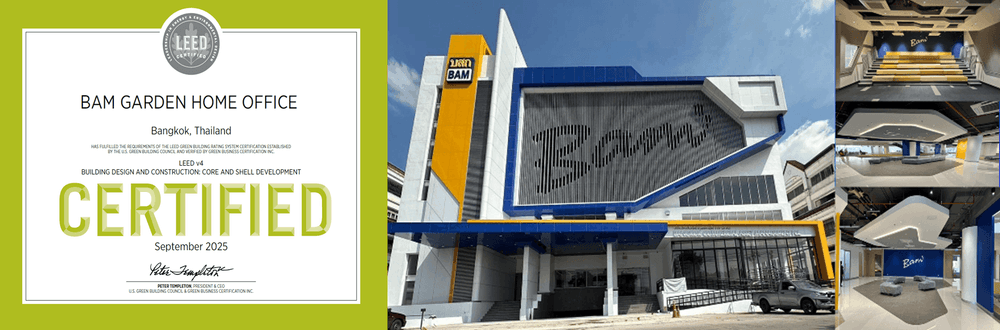
BAM Garden Home Office Achieved LEED Green Building Certification

The BAM Garden Home Office has been awarded the LEED (Leadership in Energy and Environmental Design) Green Building Standard at the Certified level. This prestigious recognition was granted under the LEED v4 Building Design and Construction: Core and Shell Development rating system by the U.S. Green Building Council (USGBC).

GardenHomeOffice.png

This certification reflects BAM's strong commitment to sustainable business practices, with an emphasis on environmentally responsible building design and development, efficient energy utilization, and the creation of a healthy and high-quality working environment for building occupants. The achievement of LEED certification for the BAM Garden Home Office represents a key milestone reinforcing the Company's vision of “creating sustainable value for society and the environment” and serves as a foundation and inspiration for the continued development of green buildings in the future.