The Company has implemented a structured recruitment and hiring system to attract and select high-potential talent.
• Advertise job vacancies both internally and externally.
• Implement a systematic interview and assessment process.
• Conduct a clear probationary performance evaluation process in compliance with labor laws.
• Focus recruitment on attracting capable individuals to create employment and income opportunities, without discrimination.
• Provide appropriate and competitive compensation and benefits to attract and retain high-potential candidates, while promoting diversity and inclusive management through equality and non-discrimination across all employment practices, regardless of gender, religion, or beliefs.
.png&w=3840&q=75)

Employee Well-being and Satisfaction
Employee Well-being and Satisfaction
BAM has continuously enhanced and developed employee welfare programs across various areas to improve employees' quality of life and better respond to increasingly diverse and flexible needs. These initiatives include enhancements to medical benefits, improvements to employee loan benefits tailored to individual needs to help reduce financial burdens, and special assistance programs for employees affected by flooding disasters to mitigate related impacts. In addition, the Company has upgraded its welfare reimbursement system to an online platform, enabling employees to access information and submit reimbursement requests more conveniently and efficiently. This enhancement reduces procedural complexity, shortens approval timelines, and allows employees to track reimbursement status in real time. These efforts reflect the Company's commitment to leveraging digital technology to improve the efficiency of welfare management.
To align workforce planning with sustainable development objectives, the Company conducts five-year forward-looking assessments of employee retirement projections and continuously implements succession planning. This approach ensures timely preparation of replacement personnel for upcoming retirements and supports the development of a new generation of talent to meet future workforce needs. Heat maps are utilized as workforce planning tools to monitor employee readiness and support effective human resource management. Recruitment and succession plans are regularly monitored and reviewed to ensure that the Company maintains sufficient human resources to support sustainable development, career progression, and the preservation of core organizational capabilities.
To attract high-caliber, emerging talent, the Company employs a variety of recruitment channels to broaden access to qualified candidates. Primary channels include the Company's website, which provides a convenient and accessible platform for job applicants, as well as well-known job search websites to expand the candidate pool and enhance diversity. In addition, the Company collaborates with specialized headhunters with expertise in sourcing high-potential candidates and specialized skill sets required for key positions. The Company has also expanded recruitment initiatives through partnerships with educational institutions, participation in major job fairs, and the provision of master's degree scholarships to high-potential external candidates. These efforts aim to attract qualified talent, strengthen the pipeline of next-generation employees, and ensure workforce readiness to support the Company's future growth.
Strategic Aims and Performance
Strategic Aims
Maintain turnover rate for employees in key positions at less than 7.5%
Achieve overall employee engagement level of 60%
Implement and monitor succession planning
for at least 50% of planned initiatives
Execute projects in accordance with the HR Master Plan
Performance
Maintain turnover rate for employees in key positions at 4.3%
Achieved overall employee engagement level of 64%
Implement and monitor succession planning
for 100% of planned initiatives
Executed the HR Master Plan
Strategic Aims
Maintain turnover rate for employees in key positions at less than 7.5%
Achieve overall employee engagement level of 60%
Implement and monitor succession planning
for at least 50% of planned initiatives
Execute projects in accordance with the HR Master Plan
Performance
Maintain turnover rate for employees in key positions at 4.3%
Achieved overall employee engagement level of 64%
Implement and monitor succession planning
for 100% of planned initiatives
Executed the HR Master Plan
Management Approach
BAM has continuously enhanced and developed employee welfare programs across various areas to improve employees' quality of life and better respond to increasingly diverse and flexible needs. These initiatives include enhancements to medical benefits, improvements to employee loan benefits tailored to individual needs to help reduce financial burdens, and special assistance programs for employees affected by flooding disasters to mitigate related impacts. In addition, the Company has upgraded its welfare reimbursement system to an online platform, enabling employees to access information and submit reimbursement requests more conveniently and efficiently. This enhancement reduces procedural complexity, shortens approval timelines, and allows employees to track reimbursement status in real time. These efforts reflect the Company's commitment to leveraging digital technology to improve the efficiency of welfare management.
To align workforce planning with sustainable development objectives, the Company conducts five-year forward-looking assessments of employee retirement projections and continuously implements succession planning. This approach ensures timely preparation of replacement personnel for upcoming retirements and supports the development of a new generation of talent to meet future workforce needs. Heat maps are utilized as workforce planning tools to monitor employee readiness and support effective human resource management. Recruitment and succession plans are regularly monitored and reviewed to ensure that the Company maintains sufficient human resources to support sustainable development, career progression, and the preservation of core organizational capabilities.
To attract high-caliber, emerging talent, the Company employs a variety of recruitment channels to broaden access to qualified candidates. Primary channels include the Company's website, which provides a convenient and accessible platform for job applicants, as well as well-known job search websites to expand the candidate pool and enhance diversity. In addition, the Company collaborates with specialized headhunters with expertise in sourcing high-potential candidates and specialized skill sets required for key positions. The Company has also expanded recruitment initiatives through partnerships with educational institutions, participation in major job fairs, and the provision of master's degree scholarships to high-potential external candidates. These efforts aim to attract qualified talent, strengthen the pipeline of next-generation employees, and ensure workforce readiness to support the Company's future growth.
.jpg&w=3840&q=75)
Human Resource Management and Retention Approach
To ensure that all human resource management processes are conducted on the basis of fair labor practices in accordance with BAM's good corporate governance policy, BAM has developed a Good Corporate Governance Manual. This manual provides an operational framework for conducting business with respect for human rights and in compliance with applicable labor laws, rules, regulations, and standards at both national and international levels, including the following:
• All executives and employees shall receive fair and equitable treatment with respect to employment, wages and remuneration, welfare and employment benefits, training and development opportunities, career advancement, promotion or position consideration, termination, and retirement, based on principles of equality, fairness, and respect for human rights. The Company is committed to treating all employees with fairness and promoting respect for human dignity. Any acts of discrimination, harassment, or misconduct toward others, whether direct or indirect, are strictly prohibited. The Company does not tolerate discrimination on the basis of origin or on any grounds such as race, language, gender, age, religious beliefs, marital status, sexual orientation, disability, political affiliation, or other personal characteristics.
• BAM promotes the employment of persons with disabilities in accordance with its Diversity, Equity, and Inclusion (DEI) management guidelines. Appropriate job positions are assigned based on individual capabilities, and workplace facilities are improved to enhance accessibility, including the provision of wheelchair ramps, accessible restrooms, and supporting work equipment. These measures enable employees with disabilities to perform their duties effectively, with dignity, and under equal conditions comparable to those of other employees. Underprivileged groups refer to vulnerable populations, including persons with disabilities and low-income individuals.
• In 2025, BAM employed individuals with physical disabilities in accordance with Section 33 of the Promotion and Development of Quality of Life for Persons with Disabilities Act B.E. 2550 (2007), as amended by the Persons with Disabilities Empowerment Act (No. 2) B.E. 2556 (2013). A total of 3 individuals with disabilities were employed, representing 0.2% of the Company’s total workforce, serving in legal operations as well as administrative and support functions. In addition, the Company promoted employment opportunities and supported occupational development for individuals with disabilities in accordance with Section 35 of the Persons with Disabilities Empowerment Act. These measures included the provision of concessions, allocation of spaces for the sale of goods or services, subcontracting or outsourcing arrangements under special conditions, internship opportunities, and other appropriate forms of support. In this regard, BAM employed individuals with disabilities through Vulcan Coalition Company Limited, a social enterprise dedicated to creating employment opportunities for persons with disabilities. A total of 10 persons were employed under this arrangement, representing 8% of the Company's total workforce. The Company also provided financial support amounting to THB 1,200,000 per year to enhance the quality of life of persons with disabilities, enabling them to live with dignity in society and progress toward sustainable self-reliance. Vulcan Coalition employs individuals with disabilities to deliver technology system operations and artificial intelligence (AI) development services, which are subsequently applied within the Company's operations. This initiative reflects practices that exceed legal requirements. Overall, in 2025, BAM employed a total of 13 persons with disabilities, representing 10% of the Company's total workforce.
• In accordance with its Human Rights Policy, BAM neither engages in nor supports the use of child labor involving persons under the age of 15, nor any form of forced labor. These practices are implemented to ensure compliance with applicable laws relating to child labor, reduce occupational safety risks, and promote the protection of children's rights to support an improved quality of life. The Company supports initiatives such as the provision of educational scholarships, aimed at reducing inequality and expanding access to quality education. The Company also promotes creative activities both within and outside educational institutions to enhance life skills and vocational capabilities among children and youth. Furthermore, Diversity, Equity, and Inclusion (DEI) human resource management guidelines have been implemented to promote equality, equity, and non-discrimination in the workplace.
• BAM provides social protection and fair employment conditions, and ensures a safe working environment that supports productive and creative work. Comprehensive occupational health, safety, and working environment measures have been established to cover job functions that may pose potential risks to employees and related parties, in strict compliance with applicable laws and regulations. These measures include the establishment of clear communication channels for rules, regulations, safety manuals, and safety training programs for employees, such as annual fire evacuation drills and guidance on the proper use of safety equipment. Moreover, the Company has appointed an Occupational Health, Safety, and Environment (OHSE) Committee to play a key role in formulating policies, overseeing implementation, and monitoring safety performance, with the objective of ensuring effective and high-standard workplace safety management.
Monitoring and Reporting Process
BAM monitors its operational performance and regularly reports employee-related information to the Employee Committee, the Recruitment and Remuneration Committee, and the Board of Directors to ensure consistent and systematic performance reporting.
In particular, to monitor initiatives aimed at enhancing employee satisfaction, the Company conducts an annual Employee Engagement Survey to obtain in-depth insights into employees' satisfaction levels and engagement with the organization. The survey results are analyzed to identify key drivers of employee satisfaction, as well as areas requiring improvement. The insights derived from the survey are used to support planning and the development of policies across various dimensions, including the enhancement of employee benefits, skills and capability development, and the promotion of work-life balance through initiatives such as the Work from Anywhere program, which provides employees with greater flexibility in their working arrangements. These efforts are intended to promote employee happiness and organizational engagement.
BAM recognizes that fostering a work environment tailored to employee needs and aspirations directly enhances operational efficiency and organizational engagement. Through proactive engagement and open communication channels, the Company identifies key factors influencing satisfaction, specifically in employee benefits, career advancement, and the working environment. The Company also recognizes that fostering a work environment responsive to employee needs and aspirations is fundamental to driving operational efficiency and organizational engagement. By prioritizing active listening and maintaining transparent communication channels, the Company identifies material factors influencing satisfaction, particularly in the areas of competitive benefits, career advancement, and a conducive working environment. Furthermore, the Company promotes employee participation in organizational development by empowering staff to engage in process optimization and decision-making. This approach builds a strong sense of ownership and strengthens organizational engagement. Central to this effort is the policy to streamline workflows (Lean process), which eliminates redundant tasks to enhance operational agility. By improving these efficiencies, the Company reduces the need for overtime, thereby supporting work-life integration and allowing employees to fulfill their personal aspirations and well-being. In instances where overtime is required, the Company ensures that employees receive compensation at rates exceeding standard hours. Effective time and resource allocation to support work-life balance remains a critical driver of long-term employee satisfaction. Ultimately, fostering satisfaction requires a comprehensive approach that integrates active listening, personal development, and a collaborative atmosphere. These initiatives not only boost work productivity but also solidify organizational engagement and support the Company's sustainable growth.
To sustain employee satisfaction, engagement, and talent retention, BAM established a Welfare Committee in accordance with Section 96 of the Labor Protection Act B.E. 2541 (1998). Comprising 18 members, the Committee serves as a collaborative platform for employees and management to provide consultation, deliberate on welfare provisions and provide strategic recommendations. Beyond policy consultation, the Committee monitors the implementation of benefits programs to ensure they remain relevant and beneficial to the workforce. In 2025, the Company updated its accommodation allowance rates nationwide, including major travel destinations, to mitigate the impact of the rising cost of living. Furthermore, recognizing the importance of well-being for employee on overnight assignments, the Company introduced travel expense reimbursements for return trips to primary residences within a 100-kilometer radius. These initiatives are designed to bolster morale, foster work-life balance, and safeguard the Company’s human capital.
.png&w=3840&q=75)
Key Activities/Projects
BAM Blood Donation
In strategic partnership with the Faculty of Medicine Vajira Hospital, Navamindradhiraj University, BAM organizes quarterly blood donation drives and actively promotes the participation of executives, employees, and their families in social responsibility activities, fostering a culture of volunteerism in which a single blood donation can help support up to three patients. Beyond its social impact, regular blood donation every three months also supports healthy blood circulation and overall well-being.
Sports and Team-Building Activities and the Peer-to-Peer Support Program
To promote organizational unity, solidarity, and internal relations, as well as to enhance physical and mental well-being, BAM organized sports events between its regional branch offices and the head office. The activities included a charity auction of memorabilia donated by executives, with all proceeds contributed to the “Peer-to-Peer Support” program.
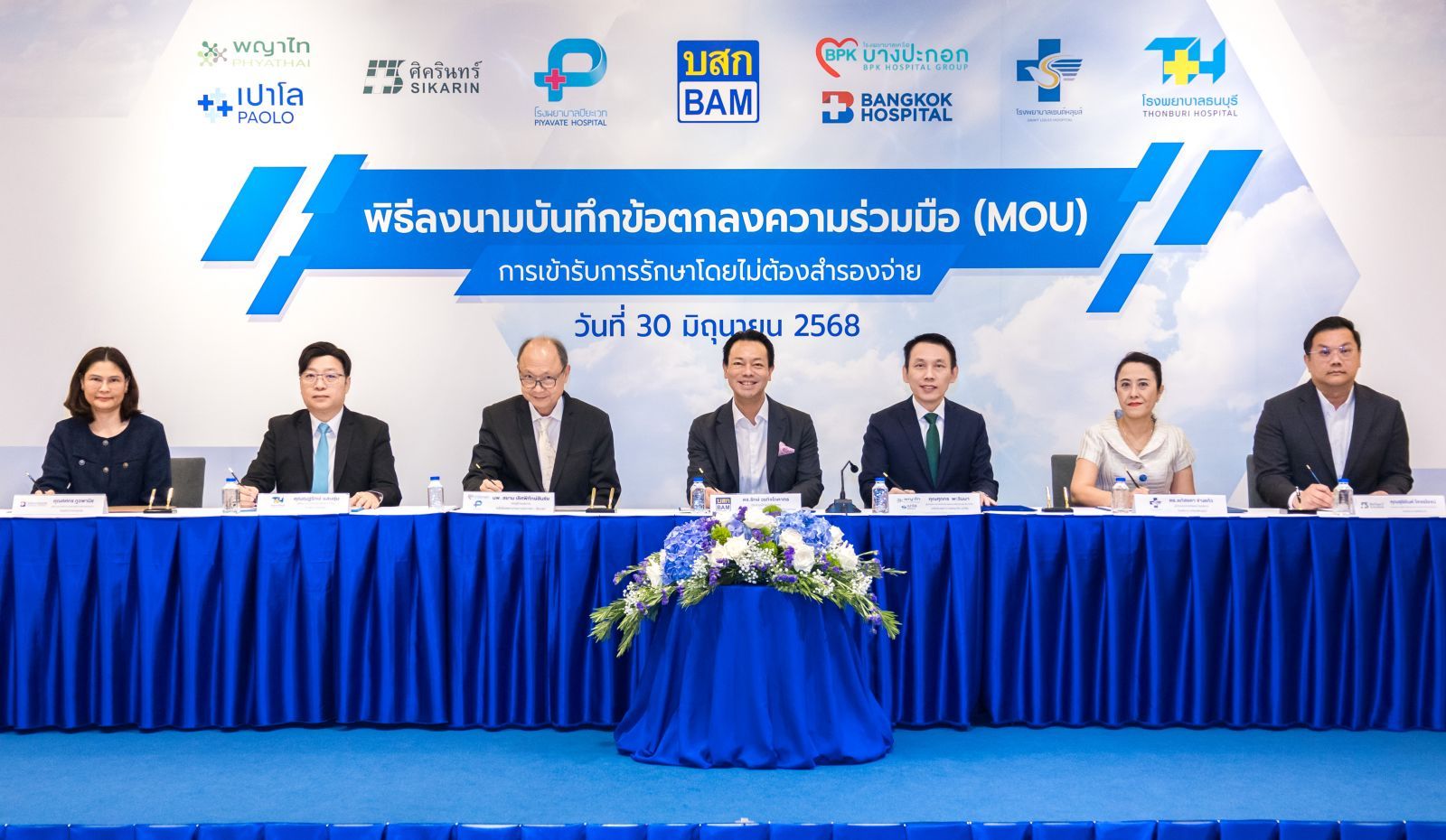
BAM Enhances Employee Quality of Life through Hospital Partnerships and Cashless Medical Treatment under the People Transformation Project
Recognizing that employees are the "heart of the organization, BAM has partnered with a network of leading hospitals to comprehensively enhance the quality of life for its employees, while accelerating the development of employee potential and fostering appropriate career growth. The hospital partnership network has been extended to provincial locations with Company branches, ensuring accessible healthcare services for employees nationwide. In addition, the Company has established a partnership with King Chulalongkorn Memorial Hospital, Thai Red Cross Society, one of Thailand's premier public hospitals.
BAM Blood Donation and Emergency Relief Support for Thai-Cambodian Border Communities
Dr. Rak Vorrakitpokatorn, Chief Executive Officer of Bangkok Commercial Asset Management Public Company Limited (BAM), led executives, employees, customers, and the general public in humanitarian relief efforts to assist injured individuals and displaced communities along the Thai–Cambodian border. As part of this initiative, blood donations totaling over 49,000 cc were contributed to the Faculty of Medicine Vajira Hospital, Navamindradhiraj University (a branch of the National Blood Centre, Thai Red Cross Society). Additionally, BAM prepared and distributed emergency relief kits containing essential household items, rice, dry food, and medical supplies through the Relief and Community Health Bureau of the Thai Red Cross Society to alleviate the hardship of evacuees. Furthermore, BAM’s Nakhon Ratchasima office collaborated with the SaiDek Foundation (Helpline 1387) and the Strong Families Institute of Surin Province to provide essential supplies and toys to children in border shelters. These efforts were aimed at restoring morale and conveying care to help Thai communities overcome the crisis together.



Employee Engagement Survey
BAM has translated key findings and recommendations into actionable projects designed to optimize operational performance. These initiatives are strategically categorized into three key dimensions as follows:
1
Operational Decision-Making Dimension
1. Improve work processes through Lean Process initiatives and enhance approval authority structures.
2. Establish clear Service Level Agreements (SLAs) at every operational stage to enhance overall efficiency and ensure organizational transparency.
2
Human Resource Management Dimension
1. Review and adjust workforce allocation to align with workload volumes, while developing Talent Management strategies to support the Company’s business objectives.
2. Enhance employee welfare and benefits to attract and retain talent while improving the overall quality of life for the workforce.
3. Develop a robust Succession Planning framework to prepare for future retirements and ensure leadership continuity in organizational management.
3
Systems and Infrastructure Dimension
1. Leverage Information Technology to support operational processes, reduce processing time, and support company’s objective in driving the organization towards future success.
2. Develop an agile benefits reimbursement system by simplifying procedures, reducing complexity, and utilizing technology to ensure convenience, speed, and responsiveness to employee needs.
3. Restructure the organization to improve effectiveness by clearly defining roles and reporting lines, promoting systematic workflows, and strengthening the capability to drive sustainable growth.
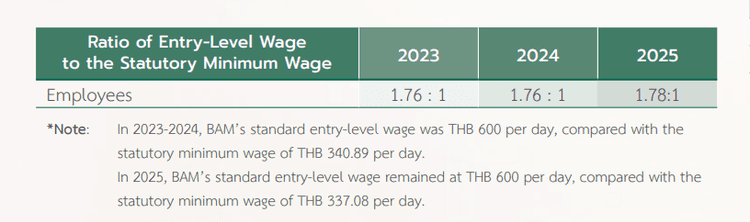
Ratio of Entry-Level Wage to the Statutory Minimum Wage
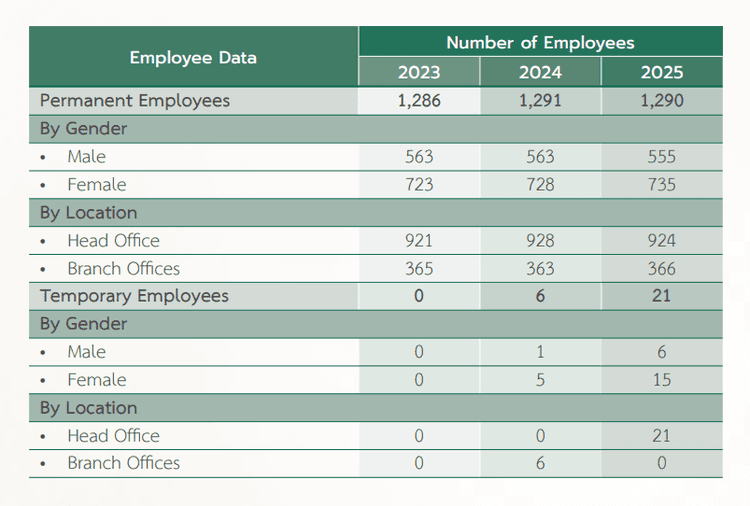
Employee Data
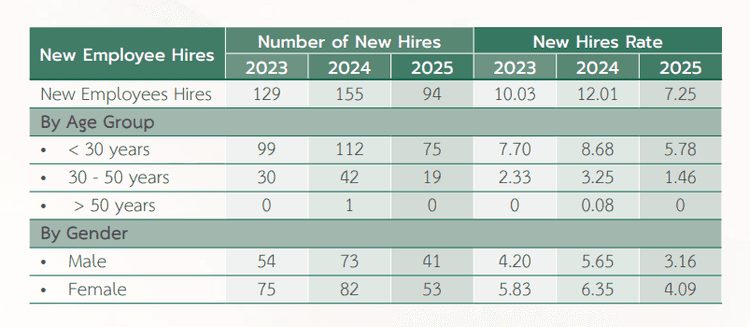
New Employee Hires
Employee Turnover

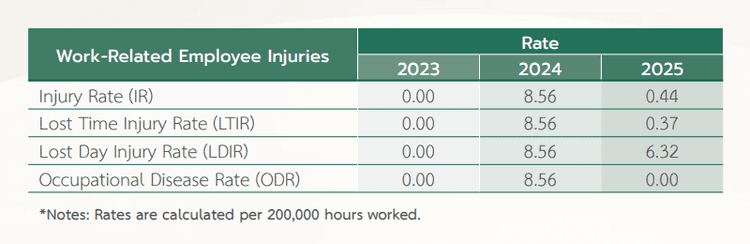
Work-Related Injuries
Fostering Labor Relations and Regulatory Compliance for Conflict Mitigation
BAM prioritizes relationship building and strict adherence to labor standards to mitigate organizational conflicts and minimize labor disputes. Management and the Human Resources Department are dedicated to implementing practices that promote fairness, transparency, and effective communication, including strictly complying with legally mandated labor standards. The Company ensures that its Work Rules and Regulations (Labor Standards) and Human Rights Policy are communicated to employees at all levels through established internal channels, including the Employee Handbook, orientation programs, and the corporate intranet. These efforts guarantee that all employees understand and strictly adhere to fair labor practices across the organization. Additionally, the Company's employee work regulations are prepared in Thai, which is appropriate and accessible for all employees, as the entire workforce consists of Thai nationals. This approach supports smooth operations and helps foster mutual satisfaction between both parties. Key approaches implemented include (1) establishing a clear and transparent internal communication system, (2) conducting fair performance evaluations and compensation management, (3) promoting an organizational culture based on mutual respect and dignity, (4) providing access to systematic mediation and negotiation processes, (5) developing leadership and people management skills, and (6) ensuring strict compliance with labor laws and international standards.
Consistent and diligent adherence to these practices enables BAM to maintain positive employee relations, minimize the risk of labor disputes, and ensure efficient and sustainable operations. In 2025 and throughout the past three consecutive years, there have been zero labor disputes and no recorded instances of non-compliance with labor laws or international labor standards (Laboure Standards Non-Compliance). Should any disputes arise, the Company has established an accessible grievance mechanism with clearly documented procedures for prevention, correction, and remediation. These processes are open, transparent, and designed to build confidence among employees and relevant stakeholders. The Company places strong emphasis on fostering a safe and inclusive working environment free from bullying or harassment in all forms.

In 2025, BAM recorded a total employee turnover of 98 individuals, representing 7.56% of the total workforce (inclusive of retirees). This indicates a decrease of 5.14% compared to the 2024 fiscal year. The primary reasons for employee separation are categorized as follows:
(1) Retirement: 39 employees, representing 3.01% of total separations.
(2) Voluntary Resignation: 58 employees, representing 4.47% of total separations.
(3) Other Causes: 1 employee, representing 0.08% of total separations.
Currently, employee separation is primarily attributable to retirement, which may impact workforce planning and BAM's preparedness for employee transitions. Nevertheless, the Company has effectively managed this risk through the implementation of a comprehensive workforce management plan covering the recruitment and hiring process, employee development process, and employee retention process. This approach aims to maintain an appropriate balance among new hires, current employees, and departing employees, thereby ensuring suitable job assignments, workload distribution, and the provision of appropriate compensation and benefits. Additionally, the Company promotes employee well-being by implementing benefits management and retirement planning programs to strengthen employee engagement with the organization. The Company supports employees' voluntary savings through participation in a provident fund to promote quality of life after retirement. As of year-end 2025, a total of 1,311 employees were active members of the Provident Fund. During the year, employee contributions amounted to THB 101.24 million, representing 53% of the total. Simultaneously, the Company’s matching contributions totaled THB 89.42 million (47%), resulting in a cumulative fund contribution of THB 190.66 million for the fiscal year. The Company maintains adequate financial provisions for these obligations, without adversely affecting its overall cash flow. (201-3)
Employee Benefits / Entitlements / Welfare
• Life Insurance
• Medical Expenses (employee)
• Medical Expenses (spouse and children)
• Parental Leave for Childcare
• Children’s Education Allowance
• Maternity Allowance
• Severance Pay or Retirement Benefits
• Provident Fund Contributions
• Employee Loan Program
• Funeral Assistance
• Hazard Allowance
• Overtime Pay and Holiday Compensation
.jpg&w=3840&q=75)
BAM VOICES: Amplifying Every Perspective
BAM VOICES is an anonymous communication channel that allows employees to convey feedback, concerns, and suggestions directly to top management. The mechanism is designed to protect individuals who provide information or opinions and to promote open, safe, and constructive dialogue.

Flexible Benefits
BAM has introduced a preventive healthcare program under its flexible benefits framework, enabling employees to allocate medical expense allowances towards various health-related purposes, including sports equipment, health examinations, vaccinations, prescription eyewear, and fitness memberships. The program aims to promote employee well-being and respond to the varying health needs of a multigenerational workforce.

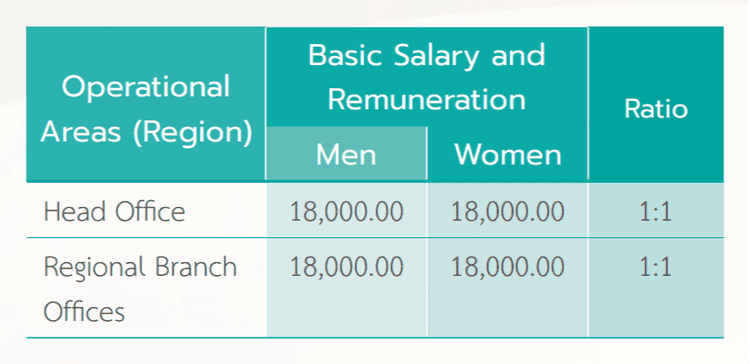
Basic Salary and Remuneration of Women and Men
Stakeholder Engagement in Employee Welfare Management
BAM’s strategic approach to employee engagement centers on cultivating an inclusive workplace that prioritizes knowledge-sharing, collaborative decision-making, and the systematic enhancement of operational practices. To support this approach, the Company has provided multifaceted internal communication platforms that facilitate transparent dialogue, empowering employees to offer constructive feedback and share insights within an open organizational framework. These platforms include digital communication channels such as the corporate email system, Line: @B-Connect, BAM VOICES, employee surveys on various topics, and dedicated feedback channels. The Company ensures that employees are empowered to access and use these established communication channels freely.
Furthermore, the Company has implemented a reward system through the BAM Coin program, which serves as a supplementary form of recognition beyond verbal appreciation. The program also functions as a mechanism to encourage feedback between supervisors and subordinates, as well as between management and employees, thereby strengthening internal communication, mutual understanding, and workplace relationships. In addition, the Company supports employee participation in activities organized through various employee clubs, as well as involvement in organizational development initiatives and corporate social responsibility (CSR) projects that promote shared value between the Company and the community. These initiatives provide employees with opportunities to contribute positively to society and support national development.
Stakeholder Engagement in Talent Acquisition Operations
BAM places importance on listening to the perspectives and needs of all stakeholder groups. As part of this approach, exit interviews are conducted with departing high-potential employees (Talent and Successors) to obtain in-depth insights into factors influencing employee turnover. Information gathered from these interviews provides valuable input for understanding internal factors that may affect employee decisions, including the working environment, work–life balance, career development opportunities, and existing employee benefits.
The insights obtained are systematically analyzed to support the continuous improvement of human resource management policies. The outcomes of the analysis are applied to strengthen recruitment and retention strategies aligned with the needs of key employee groups, with particular emphasis on the retention of high-performing talent. This includes the development of clear career progression pathways, enhancement of learning and training support programs, review and improvement of benefits tailored to target employee groups, and the expansion of opportunities for challenging assignments that support professional development.
To support the long-term resilience of its talent acquisition framework, the Company has strengthened collaboration with key external stakeholders, including academic institutions and reputable recruitment agencies. These partnerships focus on developing initiatives to enhance workforce capabilities through upskilling and reskilling, in alignment with labor market demands and the Company’s long-term human capital strategy. Such collaborations aim to build a sustainable pipeline of high-potential talent who are well prepared to join the organization and develop their careers over time. These efforts reflect the Company’s commitment to attracting qualified talent, supporting organizational growth, and promoting long-term sustainable development.
Future Management Approach
.png&w=3840&q=75)
BAM is committed to driving sustainable organizational growth through the BAM Transformation: BAM X initiative, which comprises three key dimensions: (1) Business Strategy, (2) Process and IT, and (3) People.
As part of this transformation, the Company has promoted the encouraging employees to adopt behaviors that support collective progress toward the future. In parallel, the Company has expanded its Core Competencies from “Corporate Ethics” to “Corporate Ethics and ESG Mindset” (Ethics and Social and Environmental Responsibility Awareness), emphasizing accountability toward society and the environment. This shift aims to support the development of business innovations that generate tangible social and environmental value, in alignment with the 5 Good principles, comprising: good for employees, good for shareholders, good for customers or debtors, good for society, and good for the nation.
In addition to its continued commitment to environmental initiatives, the Company places strong emphasis on developing a future-ready workforce capable of adapting to rapid global change. Accordingly, the Company has enhanced its Managerial Competencies from “Change Management” to “Change Management and Digital Transformation.” Furthermore, a structured learning framework, Roadmap for Learning from Leaders, has been established to equip employees with essential skills and knowledge aligned with key digital-era trends, covering the following topics:
1. Transformation to Digital Era: Embracing Change and fostering an open mindset towards transformation.
2. Growth Hacking - TikTok Marketing Social Media Mega Trend: Leveraging social media megatrend as a key driver for the organization’s transition towards digital platforms.
3. Productivity Hacking - Office365 & AI: Enhancing operational efficiency through the use of Office 365 and AI to reduce manual workloads. This represents the first step of Digitalization in Action, driven by BAM employees through hands-on learning and implementation, utilizing Office 365 and AI tools to develop practical work solutions.
4. BAMGO Life Hacking: Designing Your Work Life: Redesigning work and life balance to create a positive turning point in employee well-being, while preparing employees for the “BAM Hackathon: Ideating Innovation, Identifying Innovators” initiative, which focuses on innovation development and identifying internal innovators. This initiative encourages employees to improve their own work processes throughout 2024. In addition, the Company has strengthened Digital Literacy Skills through the Roadmap for Data Productivity, which enhances competencies in using information technology for data management and analysis (Data Analytics). This roadmap is delivered through a structured set of data-focused training programs (Data Series), comprising the following courses:
(1) “Thinking Tools: Organizing and Presenting Data with Excel”
(2) “Critical Thinking” Program
(3) “Advanced Excel” Program
(4) “Power BI Desktop for Business Analytics” Program and
(5) “Data Storytelling” Program These programs are designed to develop future-ready BAM employees who can effectively and confidently leverage digital tools in real-world business contexts.
• Development Strategies Derived from Employee Engagement Surveys: Insights from engagement surveys are utilized to refine activities that promote employee participation and prioritize human resources as part of BAM’s Annual Action Plan.
• Organizational Development Approaches: BAM advances organizational development through the application of relevant tools and principles, including Leadership Skill Development, Team Building Activities, Process Improvement, and effective Communication Mechanisms (such as Management Walk-Arounds and Town Hall meetings).
• BAM is expanding cooperation with universities in both Bangkok and provincial areas to create opportunities and generate employment at the local level. This initiative provides learning opportunities and internships, as well as career prospects within the organization, based on the “Job Creation for Local Communities” concept.
• Under the “Job Creation for Local Communities” framework, the Company seeks to enhance employment opportunities and skill development for the younger generation to prepare them for future labor market demands. BAM plans to strengthen partnerships with universities nationwide to offer Internship Programs and Student Capability Development Programs. These initiatives encourage youth to learn from real-world workplace experiences, develop professional skills, and enhance long-term employability, thereby contributing to the reduction of youth unemployment and the development of a high-quality workforce for the nation.