BAM places strong emphasis on risk management, recognizing it as a core element of the Company’s organizational culture. The Company regularly establishes and or reviews its risk management policies to ensure they are comprehensive and adequate, covering ongoing business operations, emerging risks, as well as sustainability risks that may affect environmental, social, and governance (ESG) aspects. In particular, the Company prioritizes climate change risk and manages related risks in alignment with the guidelines issued by the Bank of Thailand and the Stock Exchange of Thailand. This is implemented through an integrated risk management approach based on the COSO Enterprise Risk Management Framework 2017 (COSO ERM 2017), while ensuring the effective integration of good corporate governance, risk management, and compliance (GRC) processes.
Operational Objectives
BAM continuously conducts risk management in alignment with the COSO ERM Framework, Enterprise Risk Management – Integrating with Strategy and Performance. This approach integrates Environmental, Social, and Governance (ESG) risks into the Enterprise Risk Management (ERM) Process with a primary focus on risks that could potentially impact its operational performance. Furthermore, the Company prioritizes the identification, assessment, and management of risks that may affect organizational performance. It also prepares to accommodate future regulatory requirements and international standards, such as the Task Force on Climate-related Financial Disclosures (TCFD) Recommendations, FTSE Russell ESG Scores for performance evaluation, and the International Financial Reporting Standards for Sustainability Disclosure (IFRS S1 & S2). These frameworks and standards are applied to develop and enhance the Company's risk management processes, ensuring they remain appropriate and consistent with the Company's sustainable development direction.
Performance
BAM has implemented risk management practices in accordance with the COSO Enterprise Risk Management (ERM) – Integrating with Strategy and Performance framework. It systematically integrates risks related to Environment, Social, and Governance (ESG) into the organizational risk management process. A comprehensive assessment of risks across these three dimensions has been conducted, aligning with the established objectives. In addition, the Company has adopted the guidelines of the COSO ERM and COSO ESG frameworks in managing information technology and cybersecurity risks. This risk management approach comprehensively covers relevant stakeholders, including senior executives, employees, and external parties. The implementation successfully achieved its intended objectives, with an emphasis on promoting responsible and ethical governance practices (Governance).
Performance
Additionally, the Company has developed risk mitigation plans across various dimensions to address evolving business environments, sustainability risks (ESG risks), and emerging risks that could directly or indirectly impact business operations. A formal, written Business Continuity Plan (BCP) has been established to prepare for emergencies, unforeseen events, or crises that may affect organizational functions. This ensures systematic management, minimizes the potential for risk escalation and widespread impacts, and enables effective and timely business recovery to restore normal operations efficiently. These measures align with the integrated risk management approach under the COSO ERM 2017 Enterprise Risk Management Framework.
Organizational Structure
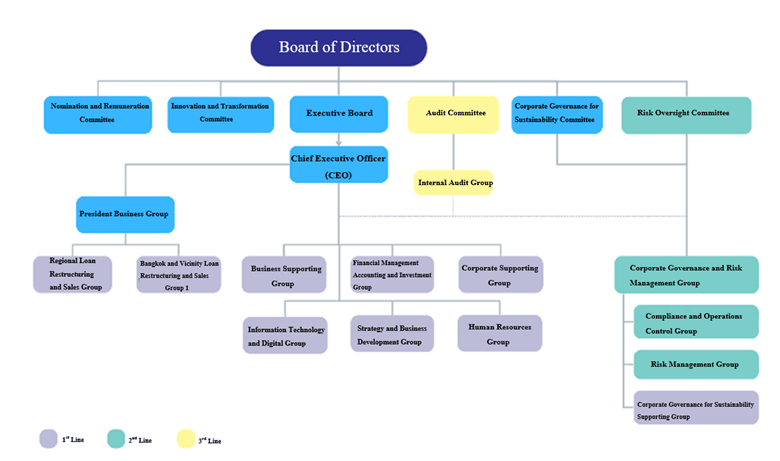
BAM establishes an effective organizational and risk management structure based on the principles of good corporate governance. This structure clearly defines the duties and responsibilities of each unit, emphasizing collaboration among the Business Units (First Line), Supporting Functions (Second Line), and the Internal Audit Function (Third Line), in accordance with the Three Lines Model. This ensures that personnel at all levels have a clear understanding of their respective roles and responsibilities. The Board of Directors assigns executives at all levels to manage risks within their areas of responsibility, under the oversight of senior management from each business line and the Risk Oversight Committee. The Risk Management Group, which operates under the Corporate Governance and Risk Management Committee, is responsible for preparing reports for the Risk Management Committee. The Internal Audit Group regularly reviews risk management activities and reports its findings to the Audit Committee.
Risk Management and Operational Approach
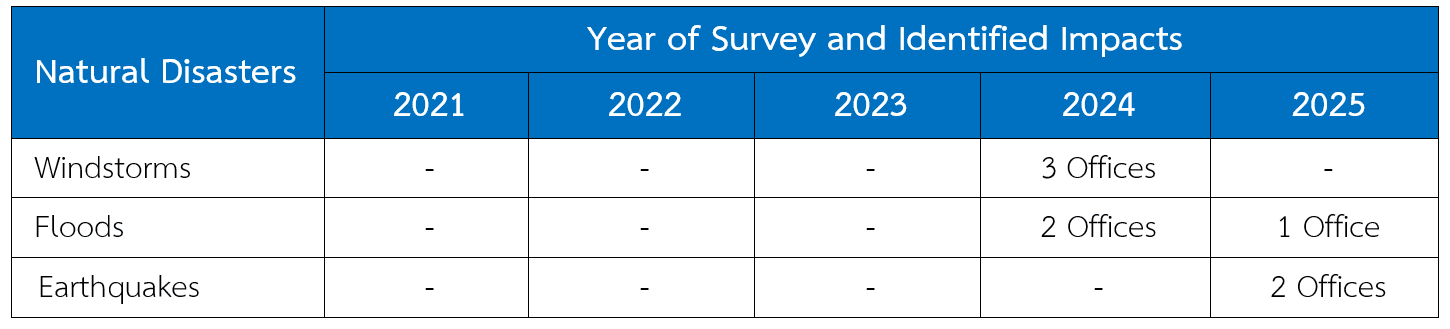
Following the earthquake incidents in 2025, BAM identified environmental risk factors that caused damage to its offices and assets. Consequently, the Company has assessed the likelihood and impact of climate change-related environmental factors that could affect its business operations, covering strategic, operational, and performance aspects. A survey on the occurrence of natural disasters, including floods, storms, and earthquakes, was conducted across all offices (see Table: Summary of Damage Incidents from Climate Change Risks). This data is used to assess risks that may negatively affect the Company's offices and customers' properties. For instance, the earthquake in Myanmar, whose tremors were felt in Thailand, could temporarily disrupt or halt business operations in certain areas. Such events necessitate safety inspections of buildings and assets before normal operations can resume. Moreover, potential damage to data and assets could lead to asset impairment. The Company utilizes data from this natural disaster survey to support its climate-related risk assessment, which serves as a factor in future business planning. The aim is to prevent and mitigate the impact of climate change on the Company and its customers, enhancing their ability to adapt and build resilience to various potential future scenarios. Therefore, the Company analyzes and assesses the likelihood and impact of climate-related issues in line with the Task Force on Climate-related Financial Disclosures (TCFD) recommendations, evaluating the effects of climate change on the Company as follows:
Physical Risks from Climate Change Assessment (Physical Risks) BAM has assessed physical risks, which are risks arising from climate change that could impact business operations in both the short and long term. These risks are classified into two categories: Acute Risks: These are sudden, severe events such as cyclones, typhoons, floods, and droughts, which are currently increasing in both frequency and intensity and Chronic Risks: These are long-term, cumulative climate change phenomena such as sea level rise, rise in global average temperature, and precipitation variability that could impact the Company's strategy, operations, and financial performance. The overall assessment of these physical risks is currently at a low level. This reflects the Company's readiness in managing and responding to the impacts of climate change, including improvements in energy management systems, efficient resource utilization, and the implementation of environmental impact mitigation measures. However, given the significant and widespread current impacts of climate change, the assessed risk level may increase in the future.
Summary of Damage Incidents from Climate Change Risks Affecting BAM’s Premises
Policy and Regulatory Risks Assessment (Transition Risks) BAM has analyzed climate-related risks with a specific focus on transition risks associated with the shift to a low-carbon economy. This analysis considers the key drivers propelling this economic transition, including policy and legal risks, technology risks, market risks, and reputation risks. The assessment revealed that government regulations and policies constitute the most significant transition risk for the Company. However, the overall assessed level of this transition risk is low. The Company closely monitors changes in both domestic and international environmental laws and standards. This includes tracking initiatives such as the Carbon Border Adjustment Mechanism (CBAM) and national Net Zero emissions targets. This proactive monitoring allows the Company to adapt and refine its operational processes to ensure ongoing compliance with these evolving requirements.
Policy and Regulatory Risks Assessment (Climate Change Risks) The intensifying global climate change situation has led to increasingly frequent and severe natural disasters, such as extreme heatwaves, floods, and droughts, resulting in widespread environmental, economic, and social impacts. This has prompted countries worldwide to set shared goals for reducing greenhouse gas emissions. The Thai government has set a target to achieve carbon neutrality and aims to reach net-zero greenhouse gas emissions by 2050, accelerating the original goal set for 2065. This shift supports the transition toward a low-carbon economy and low-carbon society, resulting in the introduction of more stringent policies and the revision of laws and regulations to address environmental challenges. Furthermore, growing environmental concerns have significantly altered consumer behavior, with both consumers and businesses increasingly prioritizing environmentally friendly products.
Business Impact
Natural disasters, which are increasing in both frequency and severity, could disrupt BAM's business operations and critical activities, as well as potentially affect assets and employee safety if the Company has not adequately adapted and prepared mitigation measures.
BAM's operating costs may increase due to efforts to reduce pollution emissions and carbon credit costs in response to more stringent regulations. Furthermore, changes in these regulations are driving greater demand for low-carbon products.
BAM continually monitors environmental management issues to enhance efficiency and maximize benefits for the organization, as well as to elevate operational standards in alignment with sustainable development guidelines and environmental best practices. It also supports national policies aimed at reducing greenhouse gas emissions in alignment with the country's targets. Measures include energy and greenhouse gas management, such as installing solar photovoltaic systems, selecting environmentally friendly office equipment, and improving operational processes to save energy and reduce environmental impact. Recognizing the potential impact of climate change on its business in terms of strategy, operations, and financial performance, the Company has established a climate-related risk management process. This process ensures systematic collaboration across management levels, procedures, and methods, guiding actions from event identification and risk assessment through risk response and management to monitoring and evaluation. It aligns with the recommendations of the Task Force on Climate-related Financial Disclosures (TCFD), ensuring transparent disclosure and reflecting the Company's long-term preparedness for climate change.
The Company's climate-related risk management process encompasses the following key steps:
(1) Climate-related Risks Identification The Company conducts an assessment of climate-related risks, covering both physical risks and transition risks, encompassing existing operations and newly added activities. For physical risks, the Company has researched data and screened climate-related natural disasters, identifying eight key disaster types (referenced from the Thai Meteorological Department): tropical cyclones, earthquakes, floods, windstorms, landslides, storm surges, fires, and droughts. These were incorporated into the preliminary physical risk assessment, based on data regarding climate change-induced damage to the Company's head office buildings, branches, and non-performing assets (NPAs). Regarding transition risks, the Company has assessed key drivers of the transition to a low-carbon economy, such as changes in environmental policies and regulations, as well as evolving consumer behaviors that increasingly prioritize environmentally friendly products.
(2) Climate-related Risk Assessment Following the identification of climate-related risk events, the Company prioritizes these risks using a risk matrix to assess both impact and likelihood. This matrix enables the Company to effectively prioritize identified risks and opportunities, allowing for the development of mitigation and adaptation strategies based on their probability and potential impact. This risk assessment process incorporates input from internal stakeholders to ensure that decision-making is thorough and aligned with the Company's risk management objectives.
Risk Matrix
(3) Managing and Monitoring Climate-related Risks Once the Company has identified risk events, their root causes, and assessed its acceptable level of risk (Risk Appetite Assessment), it establishes procedures and defines appropriate risk management measures. These include risk acceptance, risk reduction/risk control, risk avoidance, and risk transfer. The Company carefully considers the feasibility and cost of each option through cost-benefit analysis, ensuring that decisions are both effective and consistent with the organization's risk tolerance. Furthermore, the Company consistently conducts risk monitoring and review, ensuring that the risk management process remains appropriate and responsive to evolving business environments. BAM manages energy and environmental matters in accordance with the Energy Conservation Promotion Act (No. 2), B.E. 2550 (2007), promoting efficient use of resources and energy through Green Office policies and environmentally friendly activities to foster continuous and sustainable organizational development. The Company has established committees and working group at all responsible levels to oversee, monitor, and evaluate performance regarding energy, environment, and climate change, in alignment with good corporate governance principles and systematic sustainability risk management. In addition to the above measures, the Company enhances preparedness for potential climate-related emergency events by allocating an annual budget under the Business Continuity Planning (BCP) expense category of 20 million baht to support the implementation of its Business Continuity Plan (BCP). This enables prompt execution of critical activities during crises, such as flooding incidents affecting offices or key operational systems. Furthermore, the Company utilizes risk transfer methods through flood insurance coverage for its head office and various branch offices, recorded as operational expenses, to mitigate financial impact and support recovery following climate-related events. Regarding non-performing asset (NPA) risk management, the Company conducts annual asset valuations and incorporates flood risk factors into its disposal decision-making process to consistently reduce portfolio risk. These measures are integral to the ongoing risk monitoring and review process, ensuring the Company remains prepared to address potential climate change impacts in line with the organization's risk appetite while supporting stable and sustainable long-term operations.
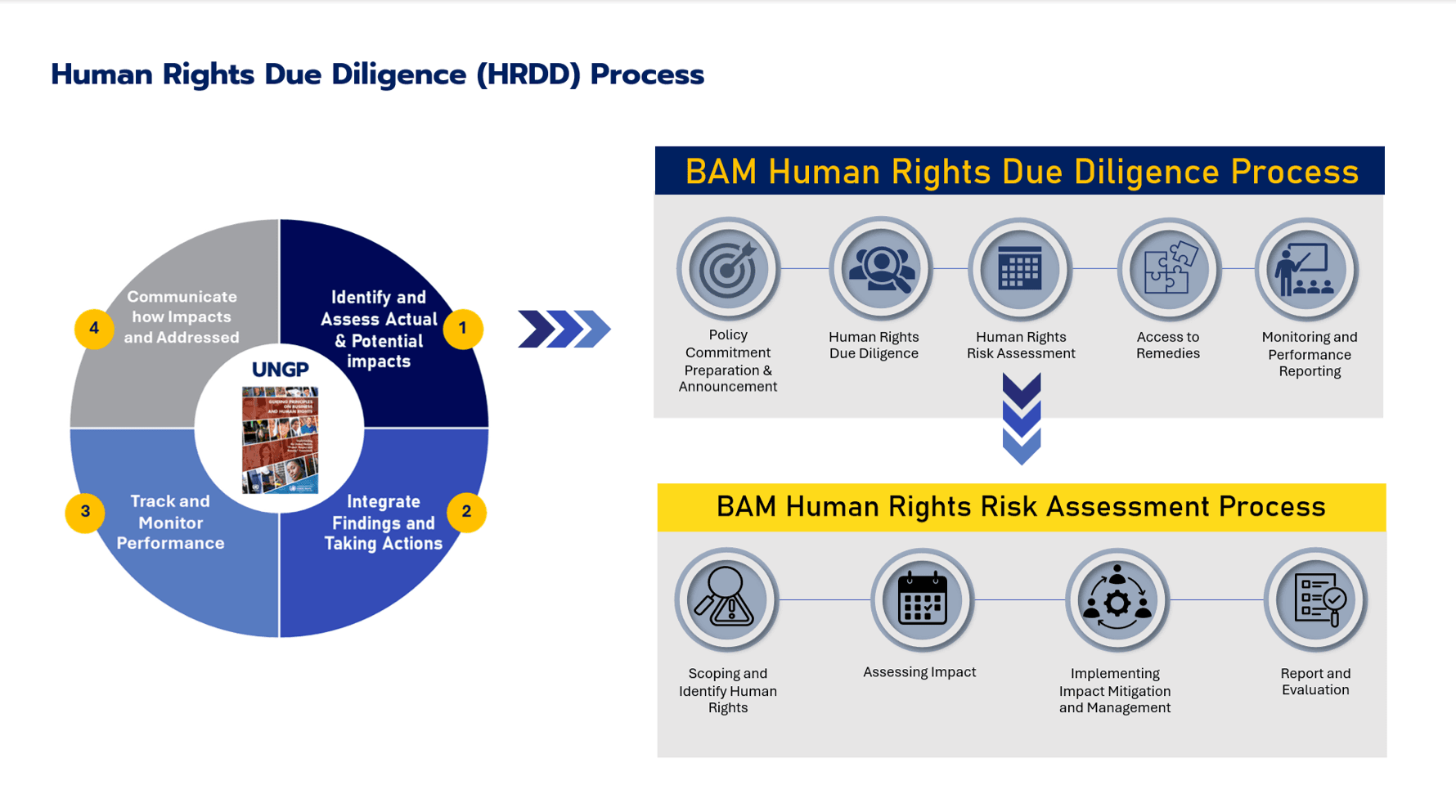
Human Rights Risk Management Within the social dimension, particularly concerning human rights, a key pillar of sustainable development, BAM is committed to conducting business with integrity to avoid human rights violations. Its operations adhere to the three core principles of the United Nations Guiding Principles on Business and Human Rights (UNGPs): protect, respect, and remedy human rights. The Company firmly upholds and prioritizes human rights and fair treatment of employees by emphasizing appropriate management that ensures equality and equity, non-discrimination, and compliance with international principles and labor laws. This commitment covers employment, fair compensation, provision of suitable welfare benefits, and respect for diversity in gender, race, nationality, religion, and disability. The Company strictly adheres to national and international labor laws while simultaneously respecting and promoting employees' rights to freedom of association. This is facilitated through the establishment of workplace welfare committees, which serve as primary platforms for regular dialogues, exchanges of ideas, and negotiations concerning working conditions and employee welfare. Furthermore, the Company respects and supports the right to collective bargaining as stipulated by national and international laws. Internally, the Company conducts communication initiatives to foster understanding among personnel at all levels and actively promotes diversity, equity, and non-discrimination with regard to gender, race, religion, and disability. Continuous activities are organized to cultivate an organizational culture that respects differences through a systematic Human Rights Due Diligence (HRDD) process to assess and manage human rights risks across the organization and throughout the value chain. This process focuses on stakeholder treatment, the identification of preventive measures, the establishment of management procedures, and the determination of appropriate remediation measures in the event of human rights violations. Concurrently, the Company encourages and expects its stakeholders, including suppliers and customers, to refrain from actions that may infringe upon human rights.
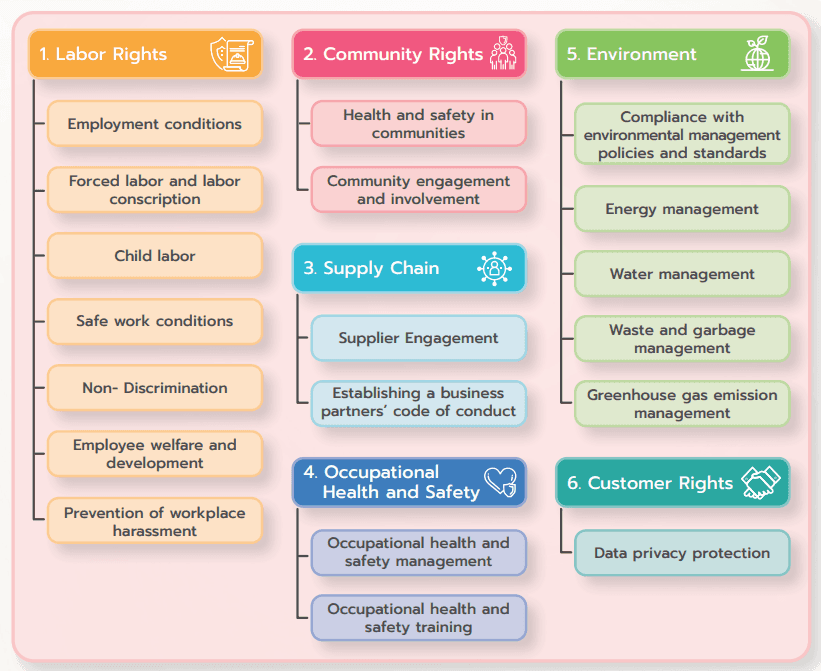
Organization’s Human Rights Risk Issues and Management Approach In 2025, BAM conducted an assessment of salient human rights issues that may arise from its business operations, covering employees, suppliers, contractors, and surrounding communities, in accordance with the United Nations Guiding Principles on Business and Human Rights (UNGPs). The Company is committed to listening to the perspectives of both internal and external stakeholders, as well as material complaints and concerns, in order to identify and review human rights issues related to its business operations through an inclusive stakeholder engagement process. This process includes consultations with relevant stakeholders to comprehensively identify and assess potential human rights risks across the entire value chain. For internal stakeholders, the Company invited representatives from 12 key groups to participate in the assessment, including the Corporate Governance and Sustainability Supporting Group, Human Resources Group, General Administration Group, Development and Loan Restructuring Group, Information Technology Strategy Group, Information Systems Development Group, Valuation Group, Legal Group, Investment Management Group, Asset and Collateral Operations Group, Accounting Group, and Risk Management Group. For external stakeholders, the Company has published a Human Rights Policy aligned with the United Nations Guiding Principles on Business and Human Rights (UNGPs). This policy communicates the Company's expectations regarding human rights to all stakeholder groups. In addition, 100% of suppliers have acknowledged and signed the Supplier Code of Conduct. The Company also conducts economic and ESG risk assessments for critical Tier 1 suppliers to ensure that their operations align with the Company's human rights standards and business ethics. Furthermore, the Company has prepared comprehensive Human Rights Due Diligence (HRDD) meeting minutes and assessment reports, documenting consultation processes, recommendations, and evaluation outcomes from relevant departments. The results of the HRDD assessment are applied to strengthen the human rights risk management plan and to enhance standards in labor practices, environmental management, occupational health and safety, and supplier management processes. These measures aim to continuously prevent potential human rights violations. The assessment covered six core areas: labor rights, human rights, supply chain, occupational health and safety, environment, and customer rights, comprising a total of 19 risk factors. A summary of the overall human rights risk assessment results is as follows:
The overall assessment results indicate that the Company's human rights risk level is low, demonstrating effective management of human rights violation risks within an acceptable threshold.
Supply Chain Human Rights Risk Issues and Management Approach BAM has established criteria to identify and assess supplier risks, encompassing human rights, environmental, social, and economic risks. This framework aims to enhance supplier standards and support supplier development through systematic risk identification, risk analysis, and risk prioritization based on the likelihood of occurrence and potential impact. Supplier risks are identified by considering relevant risk factors derived from supplier self-assessment data. The assessment covers five key risk areas: business ethics, human rights and labor practices, occupational health and safety, environment, and legal and regulatory compliance. The Company conducted risk assessments of suppliers across nine business categories, covering a total of 22 suppliers, representing 3.8% of the Company's total supplier base. The assessment results indicated that the majority of the assessed suppliers were classified at a low-risk level. For suppliers assessed as having “high” or “very high” risk levels, the Company requires the preparation of mitigation plans with clearly defined timelines to reduce associated risks.
Remediation Process (in Case of Human Rights Complaints) BAM monitors and oversees human rights issues related to its business operations through comprehensive human rights risk assessments. In the event that human rights violations are identified, the Company has established dedicated grievance and whistleblowing channels for individuals who witness or are affected by human rights violations associated with the Company. These channels operate in accordance with the Company's prescribed procedures for handling complaints and whistleblowing reports, which are disclosed on Bamnet.com. Furthermore, the Company has established the following remediation measures: 1) For parties affected by the Company's operations or employees: The Company will consider providing appropriate and fair remedies, including compensation for damages or other forms of relief, through its administrative mechanisms and in compliance with applicable legal requirements. Each case will be assessed based on the severity of the impact, with clear measures, systems, and procedures established to address the issue and prevent recurrence. 2) Forms of remediation: Based on complaints and whistleblowing reports, the Company may consider both financial and non-financial remediation measures for affected parties. These may include, but are not limited to, physical rehabilitation, psychological rehabilitation, formal apologies, restitution (restoration to the original condition), rehabilitation, and financial or other forms of non-monetary compensation.
Operations for Prevention and Impact Mitigation BAM implements measures to cease, prevent, or mitigate potential human rights impacts, both within its own operations and across its supplier base.
Mechanism for Comparative Assessment of Performance against Operational Objectives BAM regularly conducts performance assessments to evaluate the effectiveness of its operational objectives using clear and verifiable key performance indicators. The assessment results are consistently reported to relevant committees for consideration and for the formulation of future operational improvements. This reporting process forms an integral part of the Company's good corporate governance framework, promoting operational transparency and alignment with internationally recognized sustainability practices.
BAM implements a comprehensive, organization-wide Enterprise Risk Management (ERM) framework, which is integrated into the annual strategic planning process. This approach ensures that the Company's business operations are conducted efficiently and transparently, while being appropriately prepared to address uncertainties. In addition, the Company has integrated risk management with environmental, social, and governance (ESG) dimensions to ensure a cohesive and holistic approach to risk management across all areas of operation. The risk management process comprises risk identification, risk assessment, risk monitoring and control, and risk reporting. A Risk Appetite Statement (RAS) has been established to serve as a framework for defining the Company's business strategies. Executives and employees at all levels are required to understand and be aware of potential risks and are responsible for performing their duties in alignment with the Company's strategies and objectives. Continuous risk monitoring and management are maintained, and Key Risk Indicators (KRIs) are defined as essential tools for tracking and assessing the organization's risk status. For risk events assessed as having high or very high risk levels, specific Key Risk Indicators (KRIs) are established, together with defined risk appetite (RA) and risk tolerance (RT) thresholds. These mechanisms are used to effectively monitor, control, and report on risk management performance. The risk management approach is categorized into two levels, as follows:
Corporate-level KRIs, which involve monthly monitoring and assessment of risk status against the defined risk appetite (RA) and risk tolerance (RT), with the results reported to relevant committees.
Watchlist-level KRIs, which involve quarterly monitoring and assessment of risk status against the defined risk appetite (RA) and risk tolerance (RT), with the results reported to relevant committees.
The Risk Management Group and the Corporate Governance for Sustainability Promotion Group conduct sustainability (ESG) risk assessments as part of the corporate strategic planning process by integrating sustainability risk management from the formulation of the Company's mission and strategy. This integration includes sustainability risk assessment and materiality analysis to support risk management at various organizational levels, thereby enhancing confidence among key stakeholders.
Risk Culture BAM places strong emphasis on fostering an effective risk-aware organizational culture (Risk Culture) among employees at all levels. This approach has led to meaningful improvements, particularly enhanced collaboration between various departments and the risk management function in jointly assessing risks from the early stages of each work process, such as through Control Self-Assessments (CSA). Furthermore, to strengthen awareness of the importance of risk management as a foundation for strong operational performance and sustainable growth, the Company supports the following initiatives: 1. Senior management consistently communicates and reinforces the importance of risk management. 2. Executives demonstrate leadership by example in risk management practices. 3. Promote knowledge and understanding of risk management principles, methodologies, rationale, and practical application, while cultivating the appropriate mindset that risks should not be avoided but understood and managed at suitable levels. 4. Define roles and responsibilities related to risk management clearly. 5. Establish an organizational structure that supports effective risk management. 6. Control risks strictly within the defined risk appetite. 7. Ensure transparency in risk-related actions and decision-making processes. 8. Consider risk management attitudes and behaviors in employee recruitment, performance evaluation, and promotion processes. 9. Establish appropriate risk indicators as performance targets for risk owners. In this regard, the Company has implemented continuous communication and knowledge-sharing on risk-related matters, together with the ongoing development of risk management training programs.
Risk Assessment and Internal Control (Control Self-Assessment: CSA) BAM assesses fraud-related risks within each department through the Control Self-Assessment (CSA) system. Under this system, all departments are required to conduct risk assessments based on their key operational transactions. The assessment covers a total of 66 units, comprising 42 departments at the Head Office and 24 branch offices. The CSA results related to corruption and misconduct risks, including all forms of bribery, indicated that the overall risk level was assessed as low, or “insignificant risk.” In cases where the risk level is assessed as “high” or “very high,” the Company requires the preparation of a mitigation plan with clearly defined implementation timelines in order to reduce the risk level.
Business Continuity Management BAM has established processes and procedures to respond to various emergency scenarios, supported by continuous risk management practices. This includes the identification of risks that may hinder the achievement of organizational objectives. Management at all levels is responsible for overseeing risks within their respective areas, subject to review by senior executives. Overall risk oversight is assigned to the Risk Oversight Committee, as delegated by the Company's Board of Directors, while regular reviews are conducted by the Internal Audit function, which reports directly to the Audit Committee. In addition, the Company has appointed a Business Continuity Management Task Force to define relevant policies, standards, and key operational processes. This framework ensures that, in the event of operational disruptions, critical business functions can continue or be resumed within an acceptable timeframe. To support this objective, the Company has developed comprehensive written emergency plans with clear operational guidelines, including a Business Continuity Plan (BCP), an Information Technology Disaster Recovery Plan (IT DRP), a Cyber Resilience Plan, and a Cybersecurity Incident Response Plan. These plans are activated in the event of emergencies, incidents, or crises that affect business operations. The Business Continuity Plan (BCP) primarily covers personnel management, resource allocation, customer service continuity, and essential operational processes. The Company conducts annual reviews and updates of its Business Continuity Management manuals, together with regular testing of the BCP, IT DRP, and Call Tree procedures, to ensure that all plans remain effective, up to date, and responsive to evolving risks. The overall objective is to enable systematic and well-coordinated responses to emergency situations, minimize potential widespread impacts, and ensure that business operations can be restored to normal as efficiently and promptly as possible.
Supply Chain Risk From the governance and economic dimensions, BAM assessed sustainable supply chain management risks among 22 critical suppliers. The assessment results indicated an overall low-risk level, demonstrating that the Company's critical suppliers prioritize ESG principles, thereby supporting continuous and efficient operations in accordance with sustainability standards. This helps ensure that supplier operations do not adversely affect the Company's sustainability performance. A systematic and transparent approach is applied to monitor and report supply chain risk management outcomes. Additionally, in 2025, the Company revised its Outsourcing Guidelines to align with the Bank of Thailand's Notification No. SorNorSor. 33/2567 regarding the Regulations for Asset Management Companies. This revision strengthens the Company's processes for overseeing and controlling the engagement of outsourced service providers.
Supplier Risk Management BAM disseminates its Supplier Code of Conduct and Human Rights Policy and Guidelines to suppliers, requiring them to formally acknowledge the documents and complete a self-assessment on human rights practices. This assessment forms part of the Company's overall supply chain management process for key suppliers. The Human Rights Due Diligence (HRDD) assessment criteria have been approved by the Risk Oversight Committee. The assessment results indicate a low level of human rights risk, consistent with the Company's operational guidelines that emphasize the prevention of human rights violations. This is achieved through continuous awareness-building and the maintenance of constructive relationships with suppliers, customers, communities, and society.
BAM regularly reviews evolving trends across economic, social, environmental, technological, and legal dimensions through continuous risk assessments. This process identifies risks related to the Company's operations and includes the analysis of both existing risks and potential future risks (emerging risks) to evaluate their possible impacts. These risks may affect the Company's ability to achieve its business objectives in the short, medium, and long term. To address these risks, the Company establishes appropriate standards and guidelines to enable timely responses, together with the implementation of mitigation measures to prevent and minimize potential business disruptions. In 2025, the Company identified emerging risks and analyzed their potential impacts on business operations as follows:
Climate Change Risks
BAM recognizes the critical importance of climate change risks, which include climate volatility and increasingly severe extreme climate events, such as severe windstorms, sea level rise, and major flooding. In addition, biodiversity loss and ecosystem collapse resulting from climate change have significantly weakened the natural environment's capacity to buffer against natural disasters. The impacts of these risks may directly and indirectly affect the Company's assets, business operations, and entire value chain, while also contributing to broader economic and social losses. Accordingly, the Company is studying and identifying appropriate approaches for assessing climate-related risks. In line with the recommendations of the Task Force on Climate-related Financial Disclosures (TCFD), these risks are categorized into two types, as follows: 1.1 Physical risk refer to risks arising from climate-related disasters, particularly acute risks, which are sudden and severe events. These include phenomena such as cyclones, typhoons, floods, and droughts, which are currently increasing in both frequency and severity. Impacts Climate change and extreme climate events may directly affect the Company's non-performing assets (NPAs) and office premises, for example through structural damage to buildings, flooding, windstorms, and utility disruptions. Such events may result in operational interruptions in certain areas and affect service continuity for customers and relevant stakeholders. In addition, the increasing frequency and severity of floods and other natural disasters may impact businesses across the value chain, particularly the Company's debtors, whose capacity to repay loans may decline. This may, in turn, lead to deterioration in asset quality and increased risks related to future debt repayment. Mitigation Approaches The assessment indicates that acute physical risks, particularly those arising from major floods and windstorms, represent the primary physical risks with significant impacts on operational risk due to potential disruptions to systems, data, and customer service. To address these risks, the Company has established a Business Continuity Plan (BCP) and an Emergency and Crisis Management Plan covering scenarios at both the head office and branch offices, which serve as initial response mechanisms. These manuals are subject to regular review to ensure they remain current and effective. Risk management is further supported through risk transfer measures, including flood insurance coverage for the head office and various branch buildings. In addition, the Company conducts assessments to quantify potential losses, with results reported through the Loss Data system. Currently, the Company is exploring the development of additional risk assessment methodologies to further strengthen and support a comprehensive climate change risk management framework.
1.2 Transition Risks refer to risks arising from the shift toward a low-carbon economy, driven primarily by key factors such as policy and legal risks. These result from government-mandated policies, measures, and regulatory frameworks aligned with national targets, such as legislation promoting the transition to net zero, which affects long-term environmental regulations, especially those steering the transition to a low-carbon economy. Additionally, market risks and reputation risks are evolving due to changing market demands, particularly among younger generation customers. However, this transition may also lead to new business models that align with shifting consumer attitudes, presenting potential opportunities for the Company. Impacts • Environmental regulations are expected to become increasingly stringent, such as the introduction of carbon taxes or greenhouse gas emission reduction requirements. These measures may increase operating costs for debtors and reduce their capacity to repay debts. • Technological transitions, including the adoption of electric vehicles, improvements in battery efficiency, and the use of non-fossil energy sources, may require significant investment in new technologies. • At present and in the future, consumers place greater emphasis on environmental considerations. Organizations that fail to adapt their operations may face adverse impacts, as environmental factors increasingly influence customer decision-making in the selection of services or the purchase of assets. • Businesses with environmentally unfriendly practices may face growing pressure from stakeholders, including customers and communities affected by organizational assets, which may negatively impact the Company's brand image and reputation. Mitigation Approaches • BAM issued Order No. 028/2568, dated 22 April 2025, establishing the Office Building Energy and Environmental Management Working Group. This working group ensures compliance with the Energy Conservation Promotion Act (No. 2), B.E. 2550 (2007), and supports continuous and effective energy and environmental management. The initiative includes the formulation of strategies and guidelines for reducing greenhouse gas emissions over short-, medium-, and long-term timeframes, such as the Go Green Together project aimed at mitigating climate change impacts. Key initiatives include the installation of solar rooftop photovoltaic systems and the promotion of transitioning from fuel-based vehicles to electric vehicles (EVs). • BAM proactively engages with affected debtors to negotiate appropriate support measures, including the extension of repayment periods and the reduction of installment amounts through revised terms and conditions. • BAM has strengthened its due diligence processes to screen assets for potential environmental impacts prior to acquisition decisions. In addition, guidelines have been implemented for the development and improvement of non-performing assets (NPAs) to enhance environmental sustainability.
Lower availability of workers with key skills Currently, technological advancement and structural changes in the economy have led to increasing demand for specialized skills, such as digital capabilities, data analytics, and complex asset management. However, the Thai labor market now faces an insufficient supply of personnel with these skill sets, resulting in a gap between labor demand and supply. Accordingly, BAM has studied and assessed risks associated with the declining availability of critical skilled workers, as follows: • Rapid technological change, together with the retirement of experienced personnel, may result in shortages of employees with critical skills, potentially causing disruptions to business operations. • Increased personnel costs, including higher expenses related to the engagement of outsourced employees, due to intensified competition to attract skilled labor. Mitigation Approaches • BAM conducts analysis and forecasting of future skill requirements in alignment with its business plans. In addition, contingency plans are comprehensively reviewed and updated to prepare for risks related to skill shortages. This is supported through continuous specialized training programs, along with the monitoring and evaluation of training outcomes via online learning modules and surveys. Risk-related progress is periodically reported to management using key performance indicators, such as the training completion rate. • BAM regularly reviews and updates its succession plans for critical positions to ensure operational continuity and mitigate risks associated with workforce capability gaps. The results and updates are reported to relevant committees. • BAM implements incentive and retention programs for key personnel, including performance-based bonuses and clearly defined career paths. • BAM develops workforce planning and recruitment strategies, such as engaging outsourced contractors or consultants, to support urgent or high-workload assignments requiring specialized expertise, thereby ensuring continuity of critical business operations.
Debt Crisis Risk In a highly volatile economic environment, debt crisis risk represents a significant factor that may materially affect the Company's operations. This risk arises from the accumulation of debt within the economic system, together with factors that substantially weaken repayment capacity, potentially triggering a widespread debt crisis. The underlying causes are multifaceted and may include prolonged economic recession, limited economic growth, rising interest rates, and large-scale debt defaults. In addition, severe external factors such as climate change impacts, government policies that promote borrowing as an economic stimulus, and elevated household debt levels may further intensify the severity of the situation. The potential consequences of a debt crisis may result in a significant increase in the volume of non-performing loans (NPLs), which could adversely affect BAM's asset management performance and overall credit quality. If not managed effectively, such risks may undermine long-term financial stability and stakeholder confidence. Impacts Under conditions of heightened economic uncertainty, debt crisis risk may affect the Company both directly and indirectly, with varying degrees of severity depending on external conditions and the level of exposure to the source of the crisis. In the current global context, where public debt levels in many countries continue to rise amid constrained economic growth, together with the limited recovery capacity of corporate and household debt in Thailand, this risk is increasing and may impact BAM across several dimensions, as follows: • Increased volatility in asset values and higher financing costs, which may complicate financial planning and decision-making. • Heightened liquidity risk and potential impacts on investor confidence, which could affect capital-raising activities and overall financial stability. • Long-term impacts on investment plans and business operations if the debt crisis intensifies and is not managed effectively. Mitigation Approaches BAM places strong emphasis on managing debt crisis-related risks by implementing measures focused on strengthening asset management and liquidity management, together with close monitoring of economic conditions to enable timely and appropriate responses. The key mitigation approaches include: • Economic Monitoring: Tracking, analyzing, and assessing macroeconomic trends, interest rates, and financial market conditions in order to anticipate potential risks and develop proactive risk management plans. • Efficient Investment Portfolio Management: Prioritizing the acquisition of high-quality assets, while diversifying risks through collaboration with joint venture partners (JVs). • Enhancing Liquidity and Prudent Capital Management: Managing cash flow and liquidity to strengthen resilience against economic uncertainty and maintain long-term financial stability. • Sustainable Debt Management: Establishing a Debt Restructuring Factory (TDR Factory) to support tailored debt restructuring solutions. This facility leverages artificial intelligence (AI) and automation systems to deliver customized, accurate, and timely restructuring terms. In addition, BAM collaborates with business partners to establish an FA Center to provide advisory support to debtors and facilitate their reintegration into the economic system.
Key Activities / Projects
Foster an Enterprise Risk Management Culture
To further strengthen BAM's risk management culture, training programs and knowledge-sharing activities related to risk and risk management have been implemented for personnel at all levels, including directors, senior executives, and employees, as outlined below:
BAM organized a training session for the Board of Directors and senior executives, featuring an external expert from the National Anti-Corruption Commission (NACC), on the topic "Governance and Anti-Corruption Leadership for Sustainable Growth." The session was held on 3 December 2025, with the objective of enhancing knowledge and understanding of anti-corruption and misconduct issues.
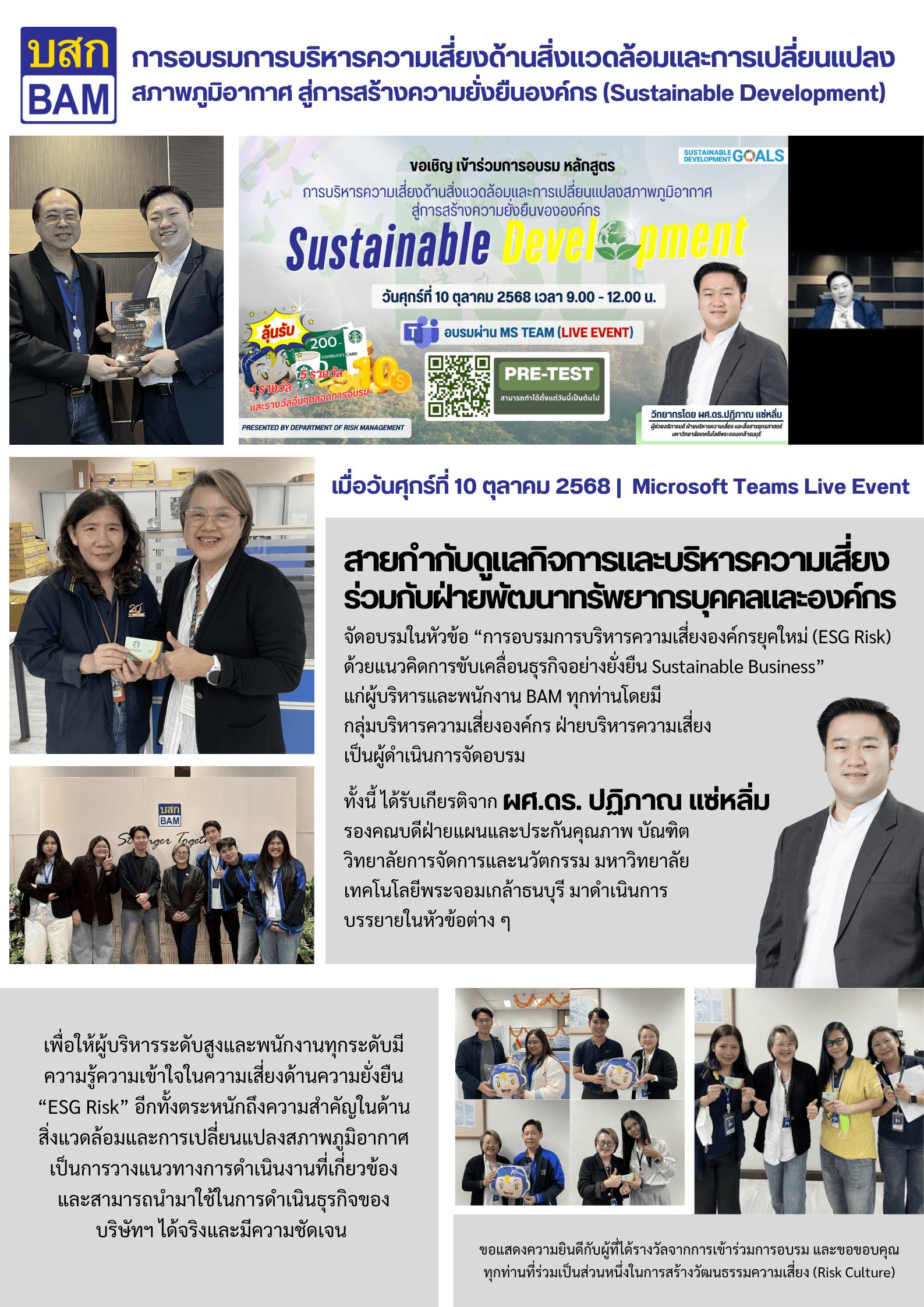
BAM conducted a training session led by an external expert on the topic "Environmental and Climate Change Risk Management Towards Organizational Sustainability (Sustainable Development)" on 10 October 2025. The training was delivered to senior executives and employees at all levels through an online platform via Microsoft Teams. This initiative aimed to enhance knowledge and understanding of sustainability-related risks (ESG risks), raise awareness of the importance of environmental and climate change issues, establish clear operational guidelines, and support practical application within the Company's business operations.
BAM organized the “BAM & Friends Day: Growing Together in Friendship” event on 3 October 2025. This activity served as a communication platform to enhance awareness and understanding among executives and employees across the organization regarding the importance of ESG, under the concept of driving a sustainable business.
Future Management Approach
Given the current business context characterized by increasing volatility and uncertainty arising from both internal and external organizational factors, including the global economic situation, natural disaster events, and environmental, social, and governance (ESG) risks, BAM prioritizes the enhancement of its comprehensive risk management system. This approach is guided by good corporate governance principles and international standards as a framework for management to strengthen long-term sustainability. The Company has established forward-looking operational approaches to prepare for changes in the business landscape and evolving sustainability requirements, with a particular focus on managing environmental and climate change risks in alignment with the recommendations of the Task Force on Climate-related Financial Disclosures (TCFD) and relevant regulatory guidelines. In addition, the Company is preparing for sustainability disclosures in accordance with the IFRS Sustainability Disclosure Standards (ISSB Standards), as well as managing the transition from SET ESG Ratings to FTSE Russell ESG Scores, with an emphasis on enhancing data quality and management processes ahead of the formal assessment in 2026. Furthermore, the Company has set long-term targets to reduce greenhouse gas emissions by promoting the use of renewable energy, improving waste management and recycling practices, and implementing measures to minimize environmental impacts across its head office and nationwide branch network. At the same time, the Company places importance on developing employee capabilities through training in ESG, risk management, and international sustainability standards, thereby strengthening organizational readiness to address risks and opportunities arising from ongoing changes in the business environment. These approaches demonstrate the Company's commitment to reinforcing its risk management framework, advancing sustainable development, and building long-term confidence among stakeholders.
.png&w=3840&q=75)
.png&w=3840&q=75)

.png%3Fv%3D2026-05-13T03%3A25%3A10.285Z&w=96&q=75)
.png)
.png&w=3840&q=75)